Virgin Voyages vs. Royal Caribbean: 2026 Cruise Comparison
A Side-by-Side Guide to Choosing the Perfect Cruise for Your Style and Budget
Virgin Voyages vs. Royal Caribbean: Which Cruise Line Delivers Your Perfect Escape?
The modern cruise industry has evolved into a highly personalized and immersive travel space where every aspect—from innovative ship design and unique dining concepts to world-class entertainment—is thoughtfully crafted to suit distinct traveler lifestyles and preferences. Choosing the right cruise line is no longer simply about the destinations on your itinerary; it’s a decision deeply connected to your sense of identity and the kind of vacation experience you truly desire. Are you seeking a sophisticated, adults-only retreat with elevated cuisine, intimate social gatherings, and curated nightlife that feels fresh and exclusive? Or are you drawn to the excitement of a high-energy, activity-packed adventure that welcomes all ages and offers an endless variety of entertainment, recreation, and family-friendly fun?
This is where the head-to-head comparison between Virgin Voyages and Royal Caribbean International becomes not just interesting, but essential. These two industry giants represent completely different philosophies and approaches to cruising, each with its own distinctive strengths and allure. Understanding their differences in atmosphere, amenities, and overall vibe will help ensure your next voyage delivers exactly the escape and memories you envision—tailored to your unique travel style.
Brand Identity & Target Audience
Virgin Voyages has carved out a distinctive position in the cruise industry by delivering an adults-only experience that feels intentionally modern, effortlessly social, and elevated in every detail. Created by Richard Branson, the brand reimagines cruising by stripping away traditional formalities—no dress codes, no rigid schedules—and replacing them with a sense of freedom and personalization that resonates with today’s traveler. Onboard sleek ships like Scarlet Lady and Valiant Lady, the atmosphere is both vibrant and refined, attracting couples, solo travelers, and groups of friends who value curated dining, immersive nightlife, and design-forward spaces. The absence of children creates a noticeably calmer and more sophisticated environment, yet the energy remains lively and engaging, striking a balance between relaxation and social connection that is uniquely Virgin.
In contrast, Royal Caribbean International is built on the foundation of inclusivity, scale, and variety, making it one of the most versatile cruise lines in the world. Its fleet, featuring groundbreaking ships like Icon of the Seas and Wonder of the Seas, is designed to deliver something for every type of traveler, regardless of age or experience level. Families, first-time cruisers, and adventure seekers will find an unmatched range of options onboard, from expansive kids’ programs and family-friendly entertainment to adrenaline-driven attractions like surf simulators and zip lines. This diversity of experiences allows Royal Caribbean to function as a floating destination, where every day can be customized to match your pace and interests. For travelers who prioritize flexibility, energy, and endless choice, Royal Caribbean remains a compelling and reliable option.
Fleet & Ship Design
Virgin Voyages places a deliberate emphasis on intimacy, design, and atmosphere, creating ships that feel more like boutique luxury hotels than traditional cruise liners. With a capacity of approximately 2,700 passengers, these ships are intentionally scaled to avoid the crowds and congestion often associated with larger vessels, allowing for a more relaxed and fluid onboard experience.
Every space is thoughtfully curated, with sleek, modern interiors that incorporate mood lighting, contemporary art, and open-concept layouts designed to foster both relaxation and social interaction. Rather than overwhelming guests with attractions, the focus is on ambiance—rooftop lounges, wellness spaces, and stylish gathering areas that naturally encourage connection.
Cabins are equally intentional in their design, blending comfort with innovation through features like convertible beds that transition from lounge to sleep mode, seamless tech integration for lighting and entertainment, and the brand’s signature balcony hammocks. These hammocks provide a distinctive and highly Instagram-worthy space to unwind while taking in ocean views, reinforcing the brand’s lifestyle-driven approach to cruising.
Royal Caribbean, by contrast, takes a bold, large-scale approach to ship design, positioning its vessels as destinations in their own right. These engineering marvels, including industry leaders like Icon of the Seas and Wonder of the Seas, can accommodate more than 6,000 passengers and are built to deliver nonstop variety and innovation.
The concept of themed “neighborhoods” transforms the onboard experience into a dynamic, multi-dimensional environment where guests can move seamlessly between distinctly different atmospheres—from tranquil garden spaces filled with real greenery to high-energy entertainment zones. This layout creates a sense of exploration that keeps the experience feeling fresh throughout the voyage.
Activities are a defining feature, with options ranging from surf simulators and zip lines to ice skating rinks and immersive aqua theaters. This large-scale approach creates a sense of constant discovery, making Royal Caribbean especially appealing to travelers who want their ship to feel as exciting and diverse as the destinations themselves.
Dining Experience
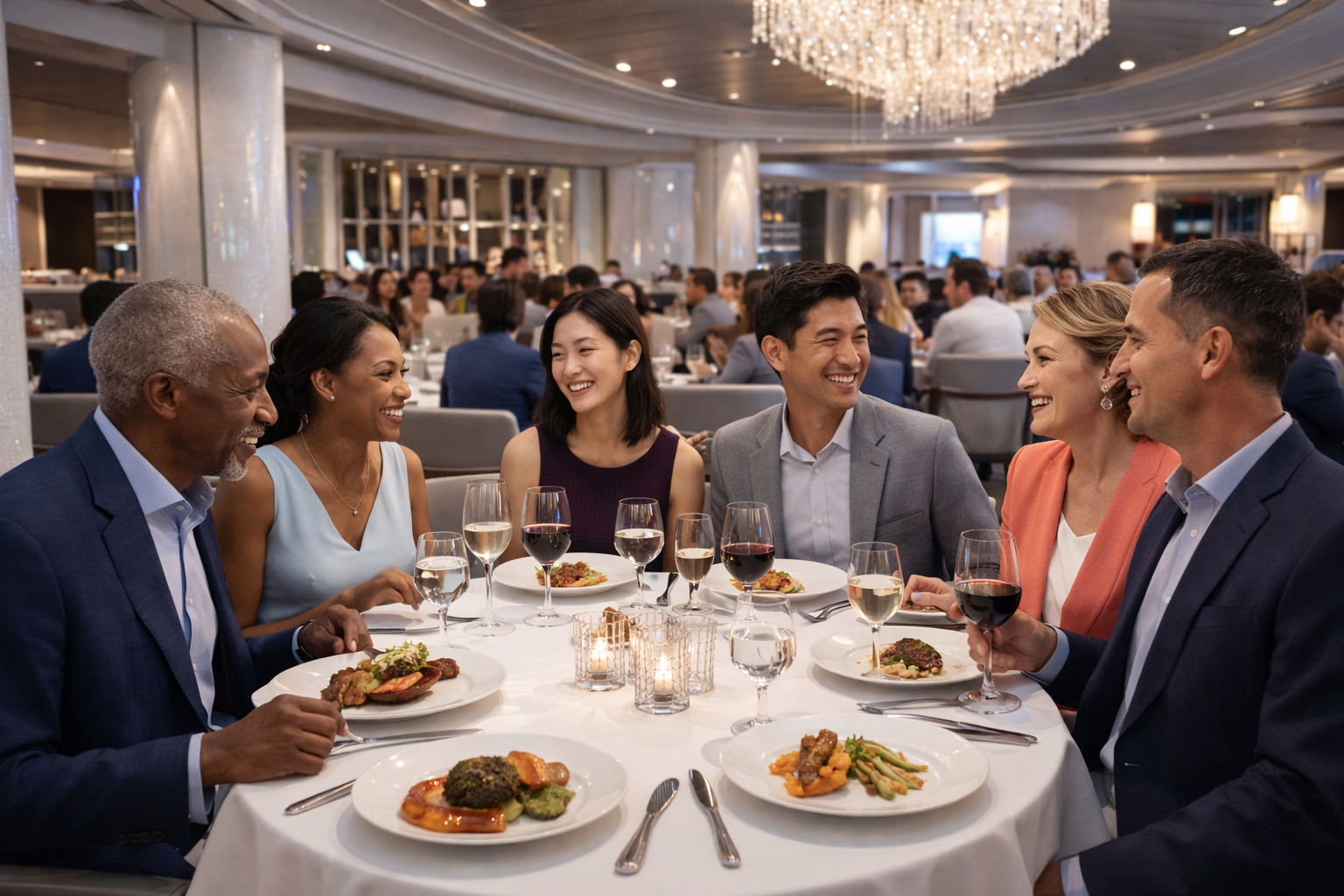
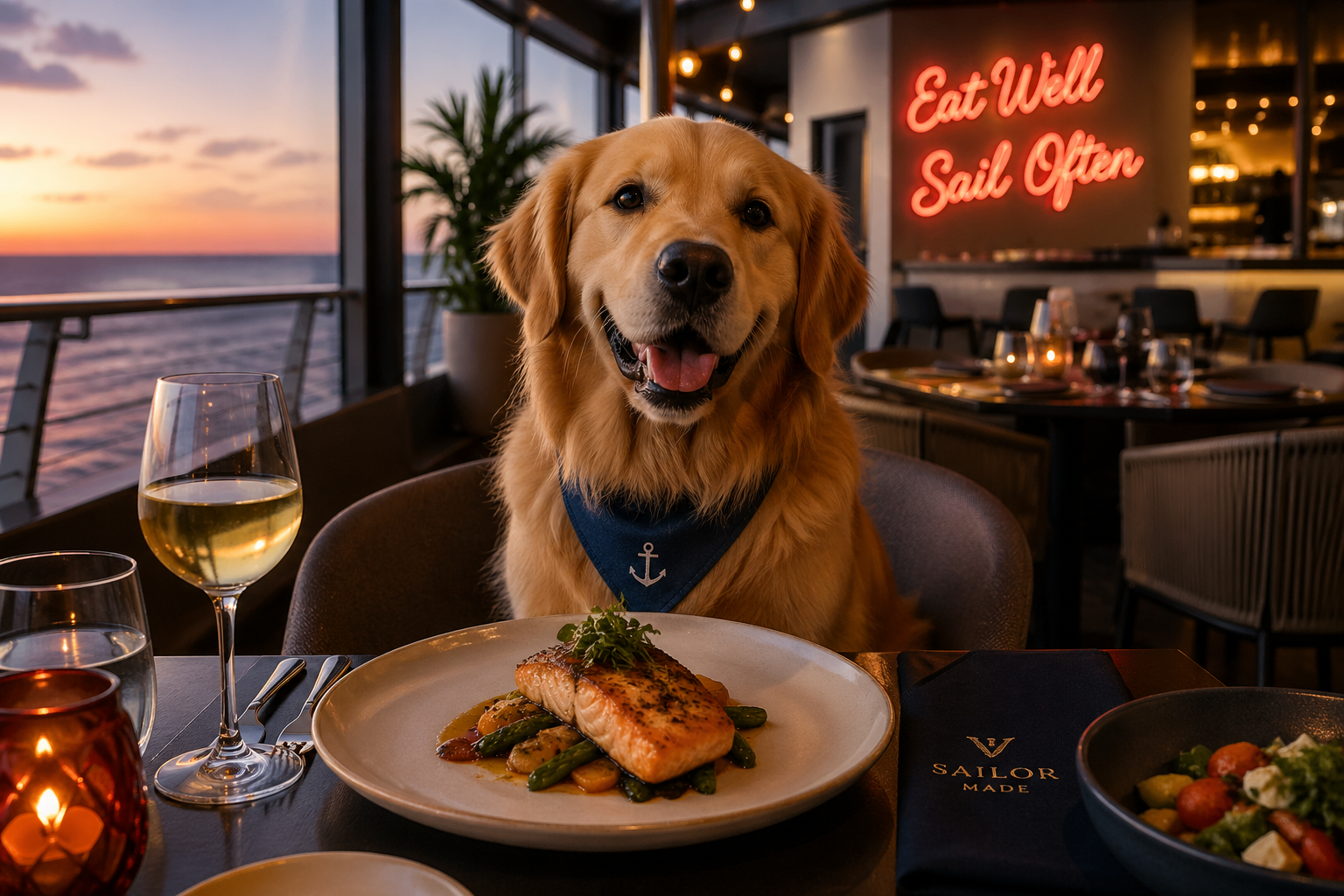
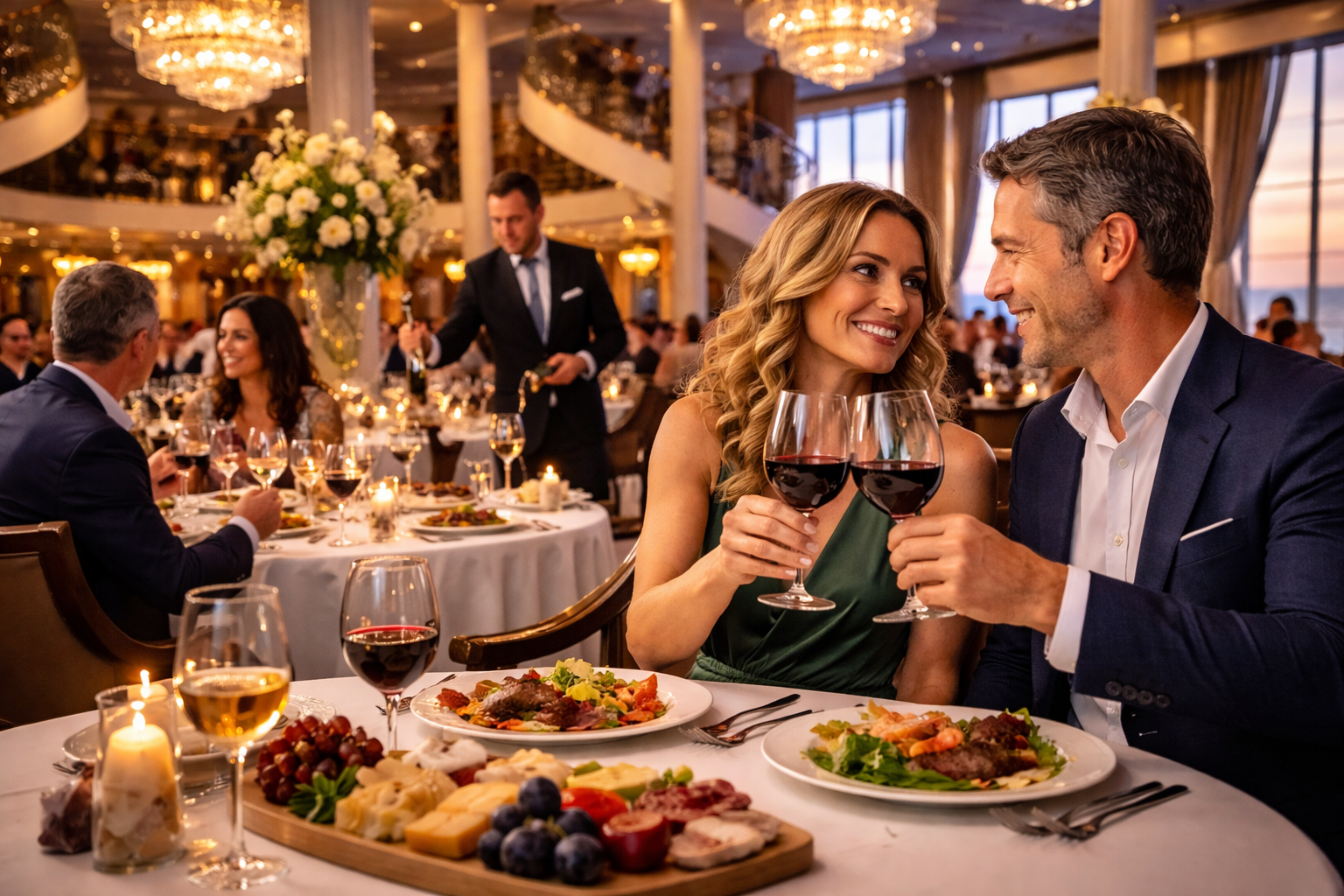
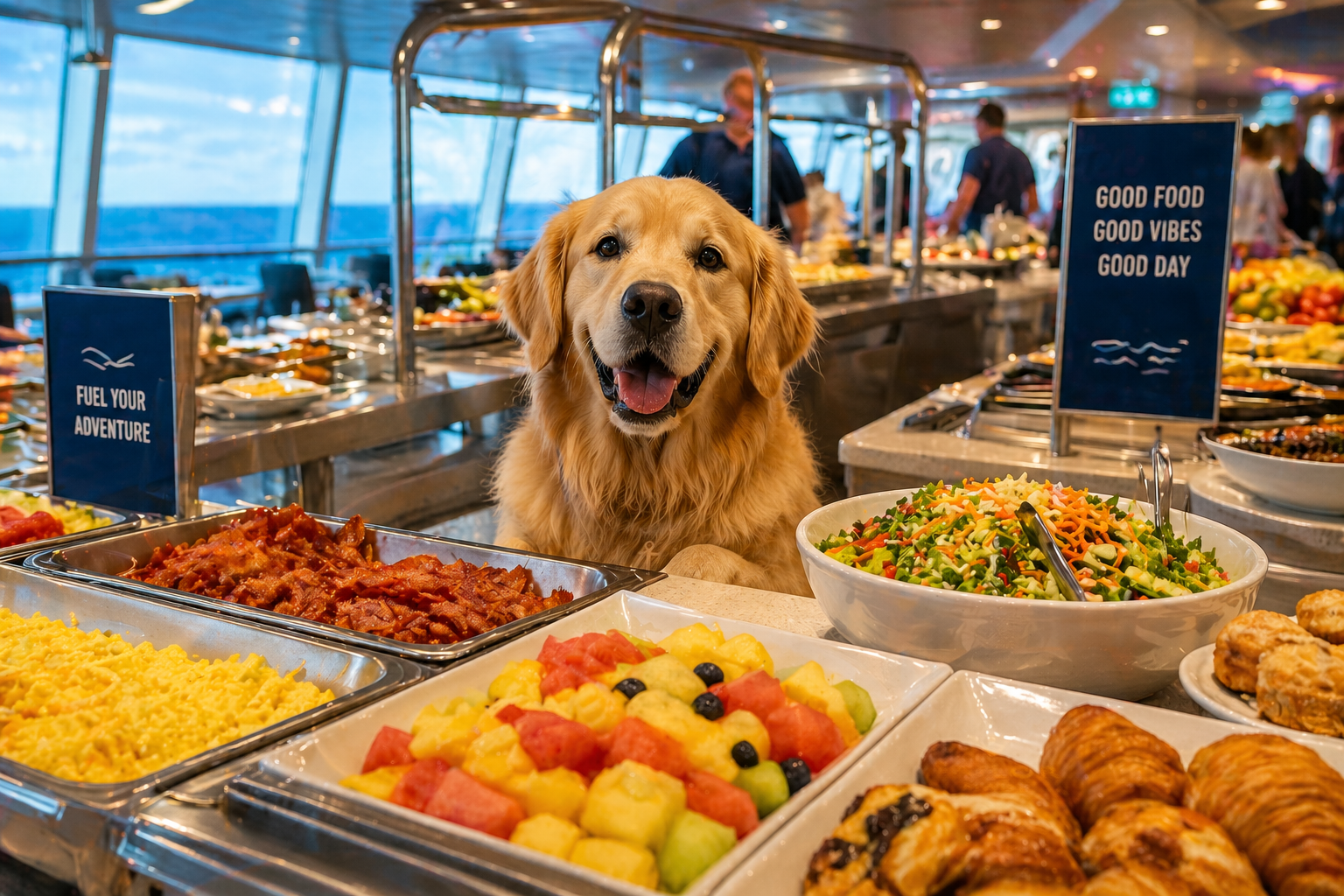
Dining onboard Virgin Voyages is widely considered one of the brand’s most defining features, setting a new standard for what cruise cuisine can be. By intentionally eliminating traditional buffets and large, formal main dining rooms, Virgin replaces them with a curated collection of specialty restaurants that are all included in the cruise fare. This approach transforms dining from a routine into an experience, allowing guests to explore a variety of high-quality culinary concepts without the constant consideration of added costs.
Each restaurant is designed with its own identity and atmosphere, ranging from upscale Italian trattorias to interactive Korean barbecue venues and innovative tasting menus that push creative boundaries. The result is a dining program that feels more aligned with a high-end urban food scene than a typical cruise. Menus are crafted with intention, presentation is elevated, and the overall pace encourages guests to linger and enjoy the experience rather than rush through it.
Equally important is the transparency in pricing. With gratuities already included and no upcharges for specialty dining, guests can fully immerse themselves in the culinary offerings without needing to budget meal by meal. This creates a seamless and stress-free experience that enhances perceived value while also encouraging exploration across multiple venues throughout the voyage. For food-focused travelers, this all-inclusive dining model is a significant differentiator and often a deciding factor when choosing Virgin Voyages.
In contrast, Royal Caribbean International maintains a more traditional cruise dining structure that blends included options with premium experiences available at an additional cost. The main dining room and buffet serve as the foundation, offering a wide variety of cuisines and flexible dining times that appeal to a broad audience. These venues provide consistency and convenience, particularly for families or travelers who prefer a more structured approach to meals.
Beyond the included options, Royal Caribbean offers an extensive lineup of specialty restaurants that elevate the dining experience through more refined menus and immersive environments. These range from steakhouses and seafood venues to international cuisine concepts, typically priced between $30 and $80 USD per person (2026 estimates). While this à la carte model allows guests to customize their experience based on preferences and budget, it also requires more planning and incremental spending to fully enjoy everything the ship has to offer.
Ultimately, Royal Caribbean’s dining model emphasizes flexibility and choice, while Virgin Voyages prioritizes inclusivity and culinary cohesion. The decision between the two often comes down to whether travelers prefer an all-inclusive, elevated dining journey or a customizable experience with both complimentary and premium options available.
Entertainment & Nightlife

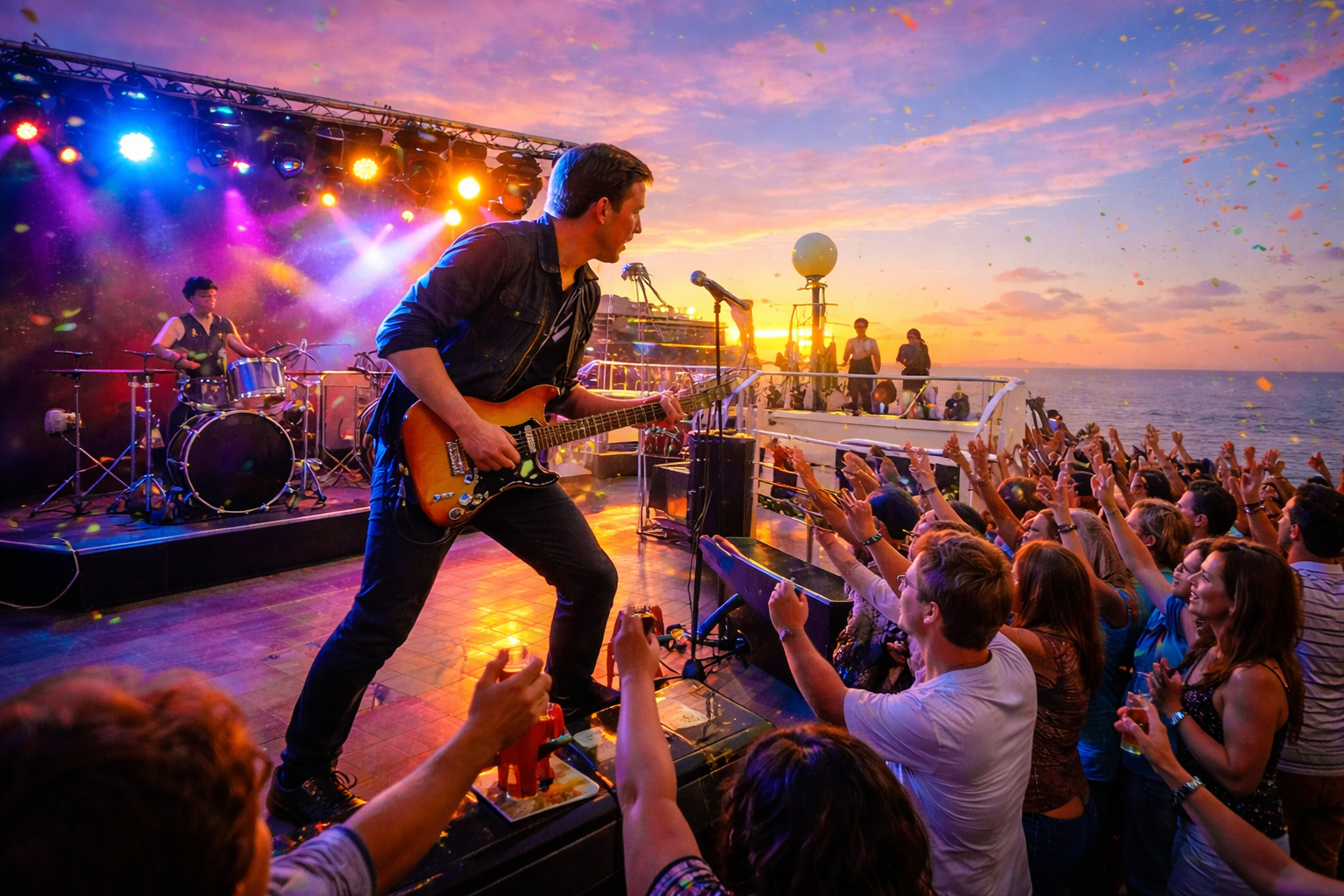

Entertainment aboard Virgin Voyages is intentionally designed to break away from traditional cruise expectations, focusing instead on immersive, interactive, and socially driven experiences. Rather than relying on formal stage shows or passive viewing, Virgin creates an environment where guests are part of the entertainment itself. The programming is dynamic and often unfolds throughout the ship, blending live music, pop-up performances, and themed events that encourage participation and spontaneity.
As the day transitions into evening, the ship transforms into a vibrant social hub. Guests can move seamlessly from intimate live music venues to high-energy dance floors, rooftop gatherings, and curated nightlife experiences led by world-class DJs and performers. Signature events, such as themed parties and full-ship celebrations, create a sense of shared energy and connection among guests, making the experience feel less like a scheduled program and more like an evolving, collective atmosphere. This approach appeals strongly to travelers who value nightlife, creativity, and social engagement as core components of their vacation.
Royal Caribbean International, by contrast, is renowned for delivering large-scale, highly produced entertainment that rivals land-based productions in both scope and quality. Onboard ships like Icon of the Seas and Wonder of the Seas, guests can experience Broadway-style musicals, professional ice skating shows, and high-diving aqua theater performances that combine technical precision with visual spectacle. These productions are carefully choreographed and staged, offering a polished and consistent level of entertainment each night.
This structured approach ensures that there is always something scheduled and ready to enjoy, making it particularly appealing for families and travelers who prefer a more traditional entertainment format. Guests can plan their evenings around showtimes, reserving seats in advance and enjoying performances in state-of-the-art theaters designed specifically for these productions. The result is an entertainment experience that feels familiar, reliable, and impressive in scale.
Ultimately, Royal Caribbean emphasizes spectacle and variety, while Virgin Voyages prioritizes immersion and social interaction. Choosing between the two comes down to whether you prefer to sit back and watch world-class performances or step into the experience and become part of the energy that defines the night.
Destinations, Itineraries & Overall Value
When comparing Virgin Voyages and Royal Caribbean, the biggest differences come down to where you can go—and how your money is spent once you’re there.
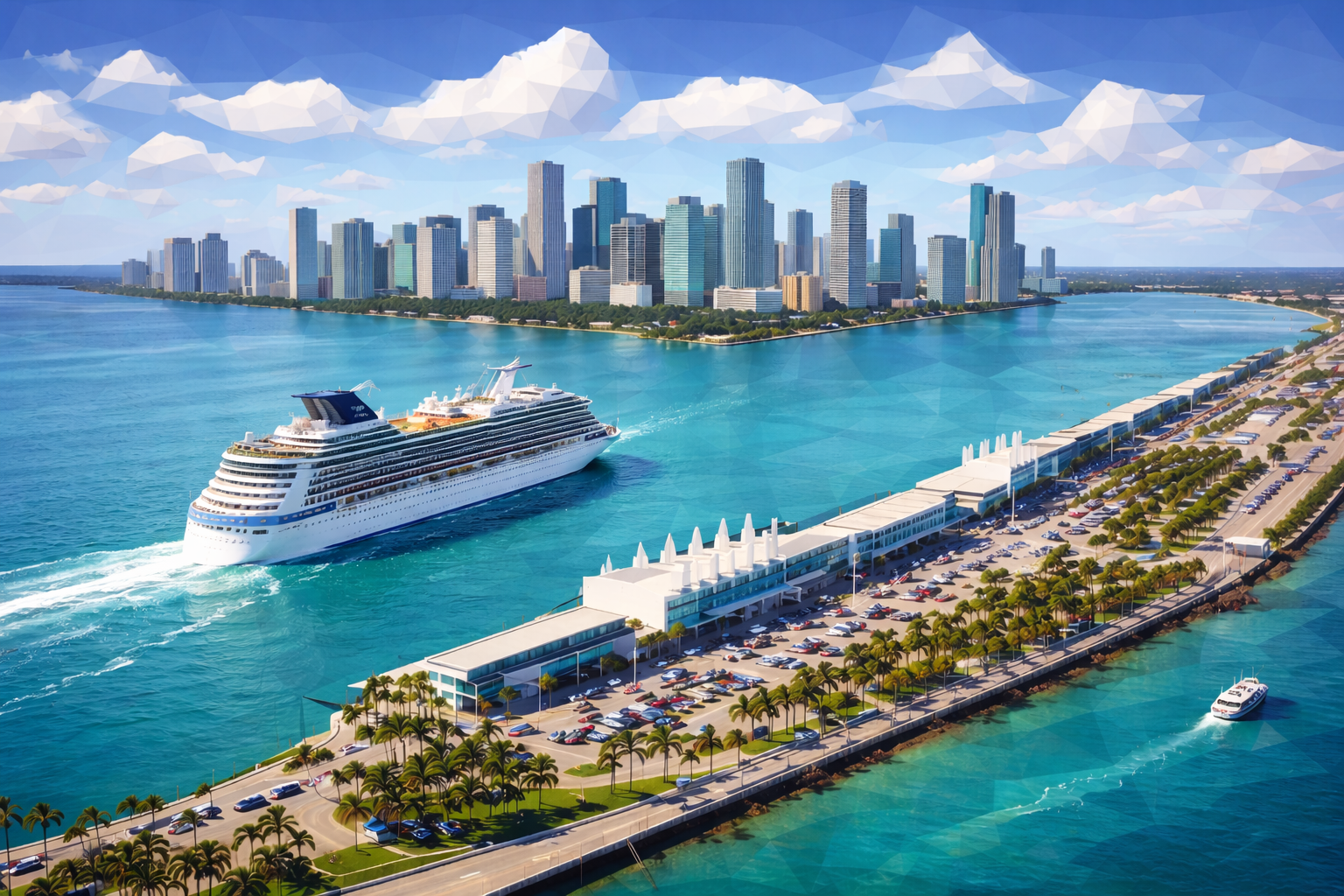
Virgin Voyages takes a more curated, boutique approach to travel. Most sailings depart from Miami and focus on the Caribbean and Bahamas, with itineraries designed for shorter, high-impact getaways. A standout feature is their exclusive beach club in Bimini, which delivers a stylish, resort-like experience complete with upscale dining, music, and a social, adults-only atmosphere. These sailings are intentionally streamlined—perfect for travelers who want a polished, all-inclusive escape without overplanning.
Royal Caribbean, on the other hand, offers one of the most expansive global footprints in cruising. From the glaciers of Alaska to the Mediterranean, Asia, and beyond, their itineraries cater to travelers looking for variety and destination depth. Their private destination, Perfect Day at CocoCay, is a major highlight, blending relaxation with high-energy attractions like water parks, zip lines, and beach clubs. This wide reach makes Royal Caribbean ideal for those who want to explore multiple regions or check off bucket-list destinations.
Where things get especially interesting is value. Virgin Voyages typically comes in at a higher upfront price—roughly $1,200 to $2,800 per person for a five-night Caribbean sailing—but that rate includes nearly everything: all dining (no buffets), basic beverages, Wi-Fi, fitness classes, and gratuities. The result is a more predictable, “what you see is what you pay” experience that many travelers find simplifies budgeting.
Royal Caribbean often wins on initial price, with fares starting around $700 per person for interior cabins and reaching about $2,000 for balcony rooms on similar itineraries. However, the à la carte structure means costs can add up quickly. Drink packages, Wi-Fi, and daily gratuities can significantly increase the final total, sometimes narrowing—or even eliminating—the price gap compared to Virgin Voyages.
In short, Virgin Voyages leans toward curated, all-inclusive simplicity, while Royal Caribbean offers broader destinations with flexible—but more variable—pricing. The better value ultimately depends on whether you prioritize upfront transparency or destination variety with customizable add-ons.
Onboard Experiences: Sea Days & Service Style Compared
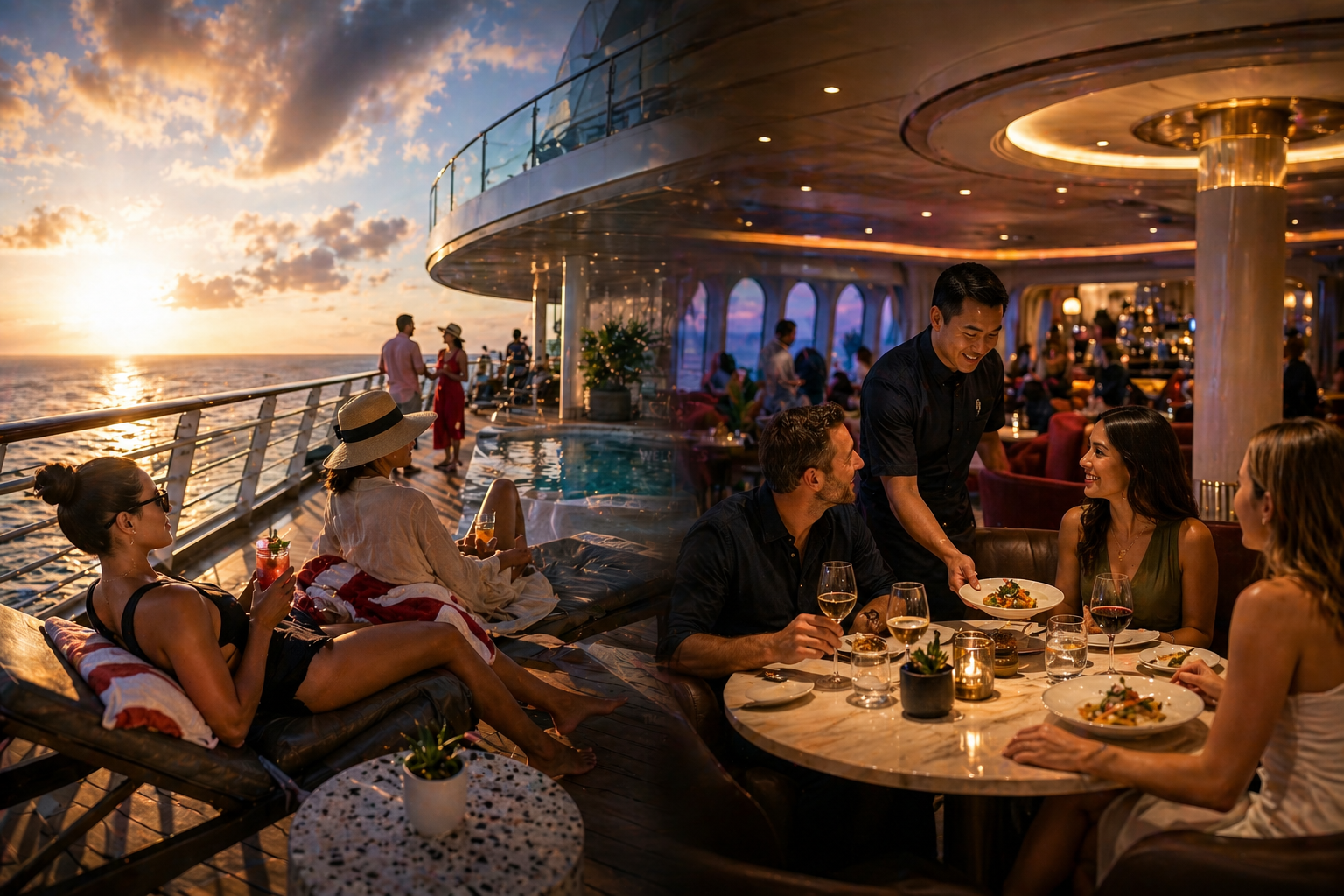
The onboard atmosphere during sea days is where Virgin Voyages and Royal Caribbean truly begin to feel like completely different vacations.
On Virgin Voyages, a day at sea is intentionally slower-paced and centered around wellness, relaxation, and social connection. Mornings often start with yoga, meditation, or fitness classes, followed by a relaxed, sit-down brunch (no buffets here). As the day unfolds, guests can unwind by the pool, indulge in the spa, or join interactive workshops and social experiences designed to bring people together. Evenings shift seamlessly into elevated dining and a vibrant, adults-only nightlife scene that feels more like a boutique resort than a traditional cruise.
Royal Caribbean takes a more high-energy, “something for everyone” approach. Sea days are packed with options—from sports courts and surf simulators to live shows, shopping, and family-friendly activities. Guests can build their day exactly how they want it, whether that means nonstop adventure or simply lounging poolside with a drink. This variety makes it especially appealing for families and multi-generational groups where everyone has different interests.
That difference in onboard flow carries directly into service style and overall guest experience. Virgin Voyages leans into a relaxed, modern approach where crew members act more like hosts than formal staff. Interactions feel natural and personalized, contributing to an easygoing, upscale-yet-unpretentious vibe.
Royal Caribbean maintains a more traditional cruise service model, with structured interactions and consistently attentive staff. This creates a sense of reliability and familiarity that many travelers appreciate—especially those who prefer a classic cruising experience with clear expectations and polished service standards.
In short, Virgin Voyages delivers a laid-back, social, and lifestyle-driven sea day, while Royal Caribbean offers a dynamic, activity-rich experience backed by traditional service consistency.
Technology & Onboard Convenience
Technology plays a major role in shaping the onboard experience, and both Virgin Voyages and Royal Caribbean have invested heavily—just in very different ways.
Virgin Voyages takes a fully integrated, mobile-first approach that feels modern and intuitive from the moment you step onboard. Guests use the app to manage nearly every aspect of their trip—from booking dining reservations and fitness classes to viewing daily schedules and communicating with crew. Even cabin features are tech-driven, with mood lighting, climate control, and entertainment systems easily adjusted at the tap of a screen or tablet. Instead of traditional cruise cards, wearable tech (like their signature band) streamlines boarding, purchases, and cabin access, creating a frictionless, almost “smart hotel at sea” experience.
Royal Caribbean also offers a robust digital ecosystem, centered around its mobile app, which allows guests to check in, reserve activities, browse schedules, and manage onboard purchases. However, the level of technology can vary significantly by ship and class. Newer ships—especially in the Icon, Oasis, and Quantum classes—feature more advanced connectivity, digital wayfinding, and app integration, making the experience much smoother and more interactive. On older ships, the technology is still functional but may feel less seamless or require a bit more reliance on traditional processes like key cards and printed schedules.
In terms of overall convenience, Virgin Voyages delivers a consistent, high-tech experience across its entire fleet, designed for travelers who expect everything to be handled from their phone. Royal Caribbean offers strong and evolving technology with standout innovation on newer ships, giving guests flexibility but with some variation depending on the vessel.
Ultimately, if you value a sleek, all-in-one digital experience, Virgin Voyages has the edge—while Royal Caribbean shines with cutting-edge features on its newest ships and a solid, reliable system fleetwide.
Who Should Choose Each Cruise Line? Final Thoughts
When deciding between Virgin Voyages and Royal Caribbean, the right choice ultimately comes down to your travel style, priorities, and who you’re traveling with.
Virgin Voyages is best suited for travelers looking for a refined, adults-only escape with a modern edge. If you value elevated dining, stylish design, wellness experiences, and a social, boutique-hotel vibe at sea, this is where it shines. It’s especially popular with couples, solo travelers, and groups of friends who want a more curated and immersive experience without the traditional cruise feel.
Royal Caribbean, on the other hand, is ideal for those who want variety, energy, and global reach. With itineraries spanning the world and ships packed with activities, entertainment, and family-friendly options, it appeals to first-time cruisers, families, and multi-generational groups. The flexibility to customize your experience—whether relaxing or adventure-packed—is a major advantage.
In the end, neither cruise line is “better”—they’re simply built for different types of travelers. Virgin Voyages delivers a polished, all-inclusive, lifestyle-driven experience, while Royal Caribbean offers a dynamic, activity-rich vacation with unmatched destination variety. Choosing the right fit ensures your cruise isn’t just a trip—it’s exactly the kind of escape you’re looking for.