LGBT Travel Guide to Canada: Montreal, Toronto, Quebec City, Halifax & Vancouver
LGBT Travel Guide to Canada: Best Gay Cities & Pride Destinations
Montreal
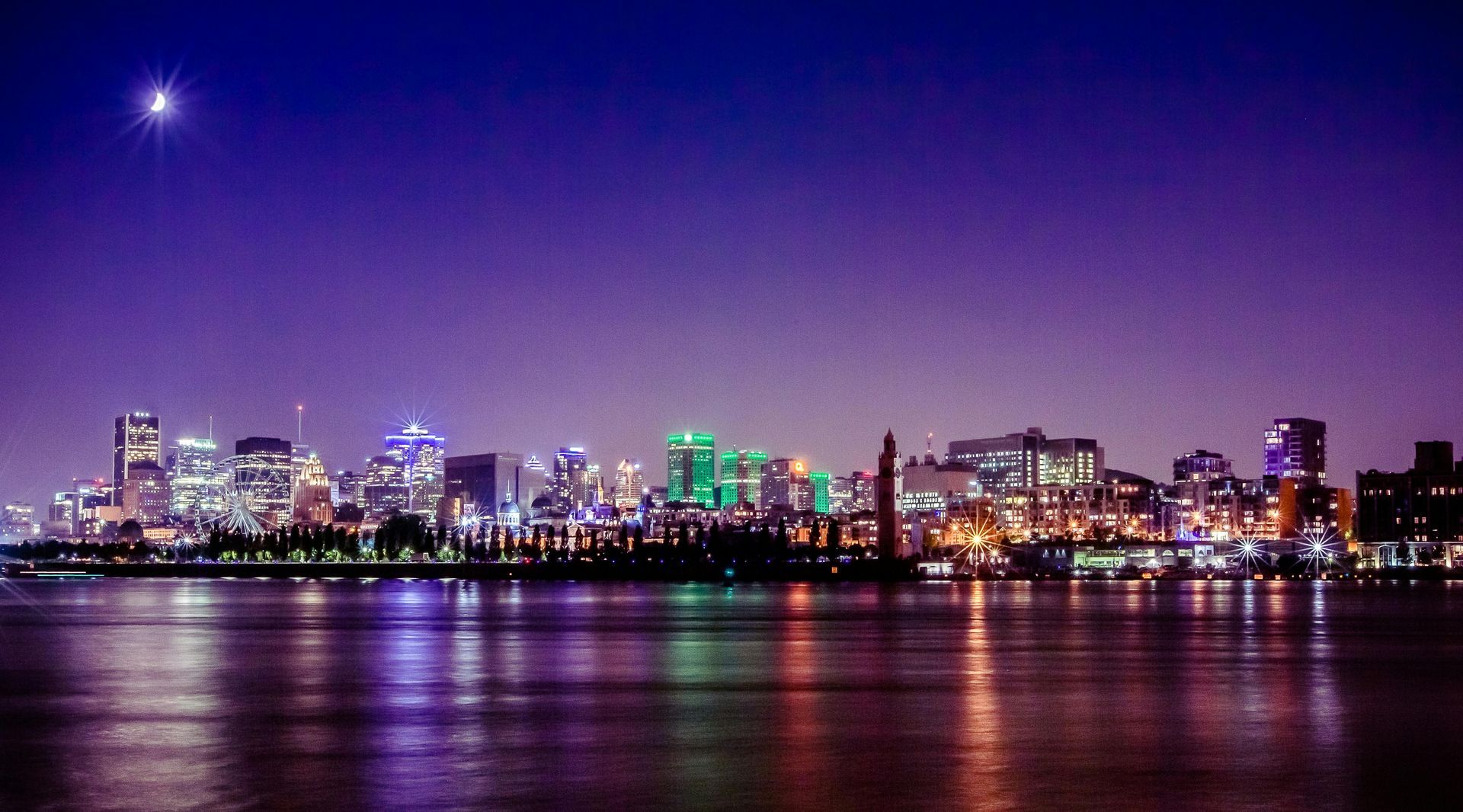

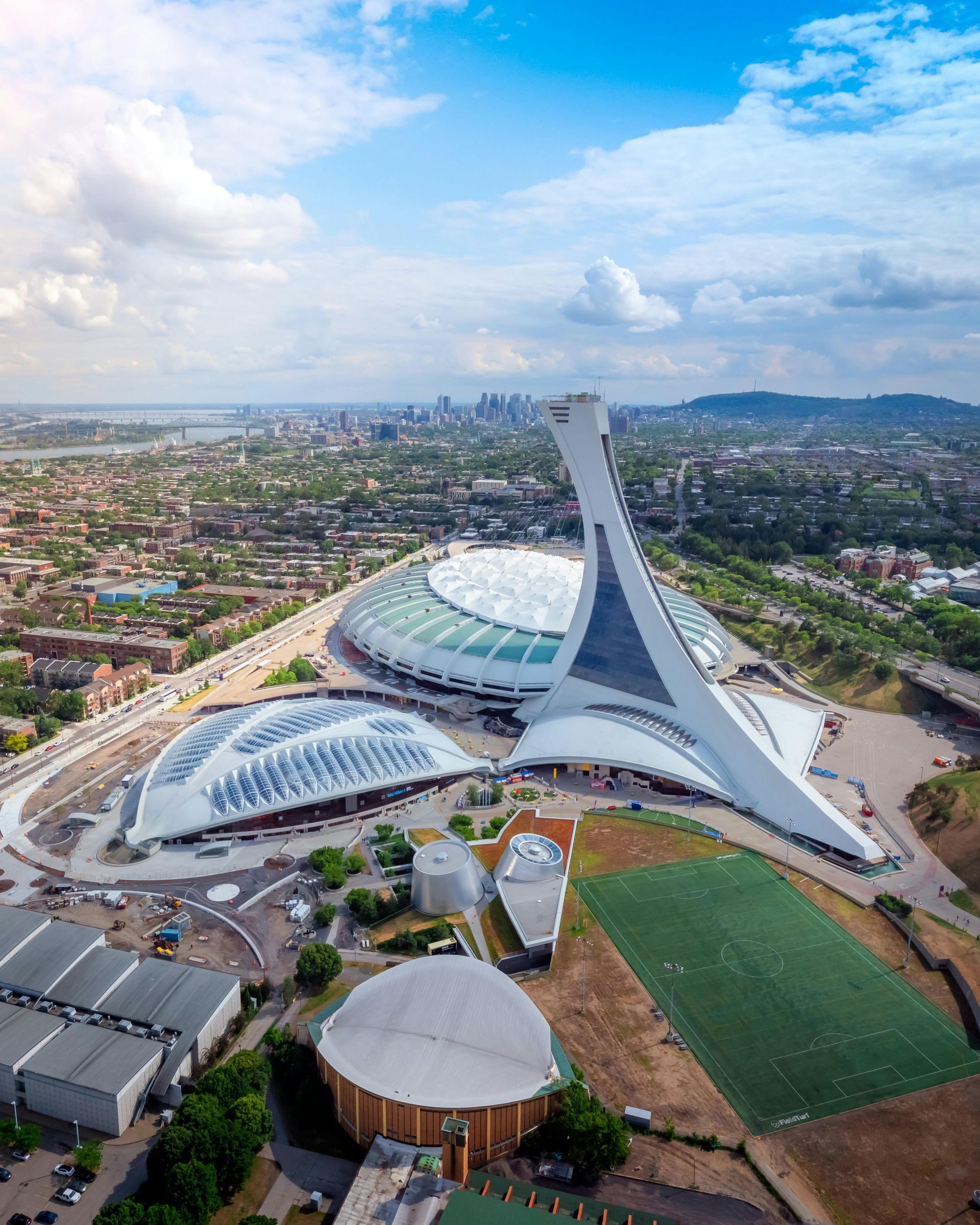
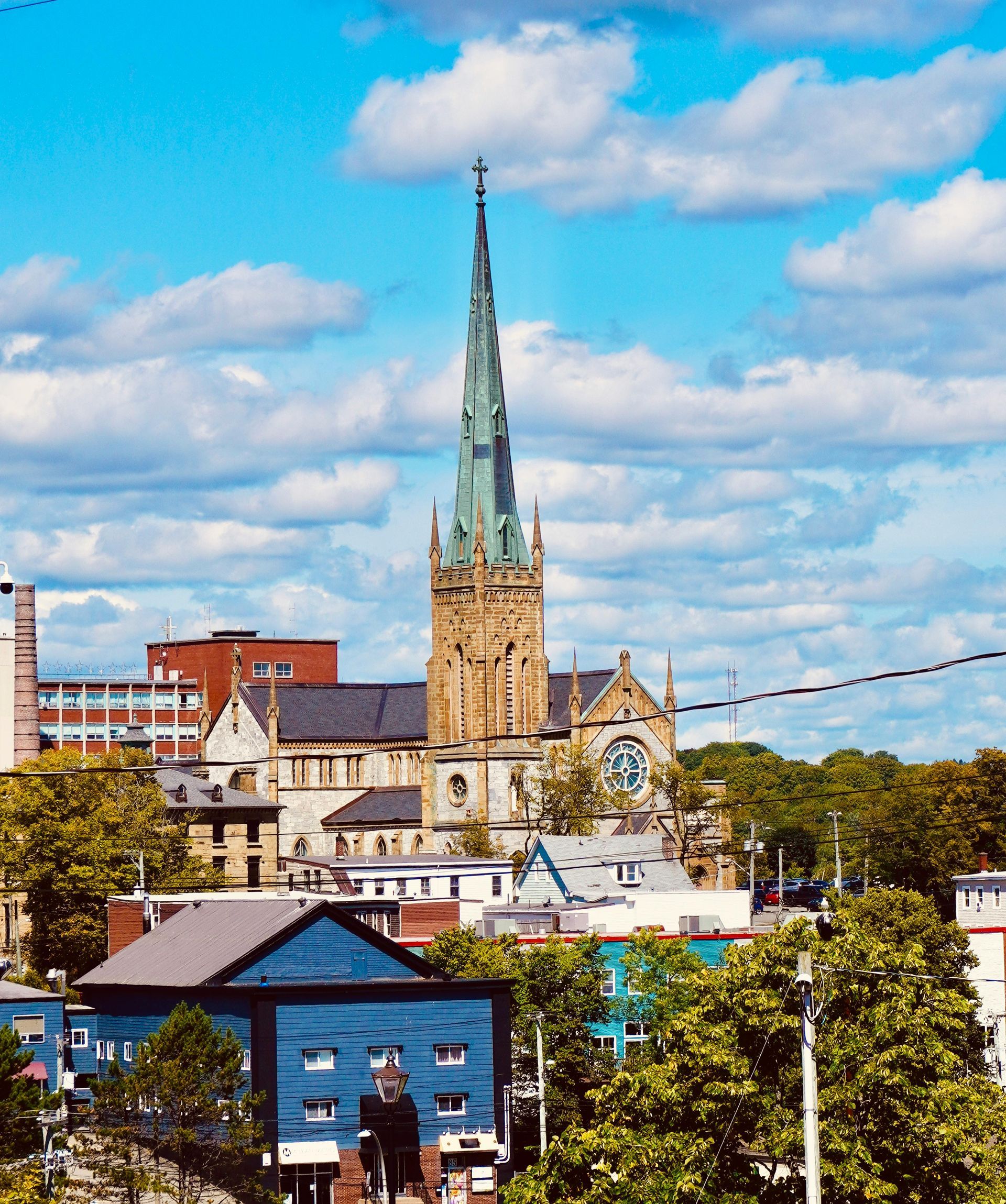
Montreal is widely regarded as the queer capital of Canada and one of the most LGBTQIA+-friendly cities in North America. French-speaking yet deeply bilingual, the city combines European-style aesthetics with bold self-expression and progressive social values. Queer visibility is woven into daily life rather than confined to specific venues or seasons, creating an atmosphere where LGBTQIA+ travelers often feel immediately at ease.
The city’s creative reputation is closely tied to its queer communities. Artists, performers, activists, and students have long shaped Montreal’s cultural identity, resulting in a nightlife and arts scene that prioritizes experimentation and inclusion. For visitors, this translates into a destination that feels alive and socially engaged rather than overly commercialized.
Gay Neighborhoods: The Gay Village, known locally as Le Village, stretches along Rue Sainte-Catherine Est and is one of the largest gay districts in the world. During warmer months, the street becomes pedestrian-only, transforming into an open-air corridor of patios, public art, drag performances, and festivals. Unlike many gay districts that function primarily at night, Le Village remains active throughout the day, with cafés, bakeries, bookstores, and community spaces creating a lived-in neighborhood feel.
Le Village is also notable for its diversity. Leather bars, drag cabarets, relaxed pubs, and dance clubs exist side by side, serving a wide range of identities, ages, and interests. Trans and nonbinary inclusion is visible and vocal, supported by community organizations and venues that prioritize safety and respect.
Where to Stay: The Village and Downtown are ideal bases for LGBTQIA+ travelers. Hotel Monville and Hotel Faubourg Montréal are frequently recommended for their central locations, easy transit access, and welcoming reputations. Staying nearby allows visitors to enjoy nightlife without long commutes while remaining close to major attractions.
Nightlife Highlights: Cabaret Mado is considered essential viewing for drag lovers, offering polished shows with local and national performers. Stereo, known internationally for its sound system and late hours, attracts a diverse queer crowd looking for immersive dance experiences that stretch well into the morning.
Culture & Sights: Beyond queer-specific venues, Montreal offers cultural depth that enhances any itinerary. Old Montreal provides cobblestone streets and historic architecture, while Mount Royal Park offers panoramic views and serves as a social gathering space for locals. Museums, seasonal festivals, and a globally respected food scene ensure that visitors can easily balance nightlife with daytime exploration.
Getting Around: Public transportation in Montreal is excellent. The metro system is clean, reliable, and intuitive, with direct access to the Gay Village via Beaudry and Berri-UQAM stations. Walking is often the fastest way to explore central neighborhoods, and most visitors find a car unnecessary.
Toronto


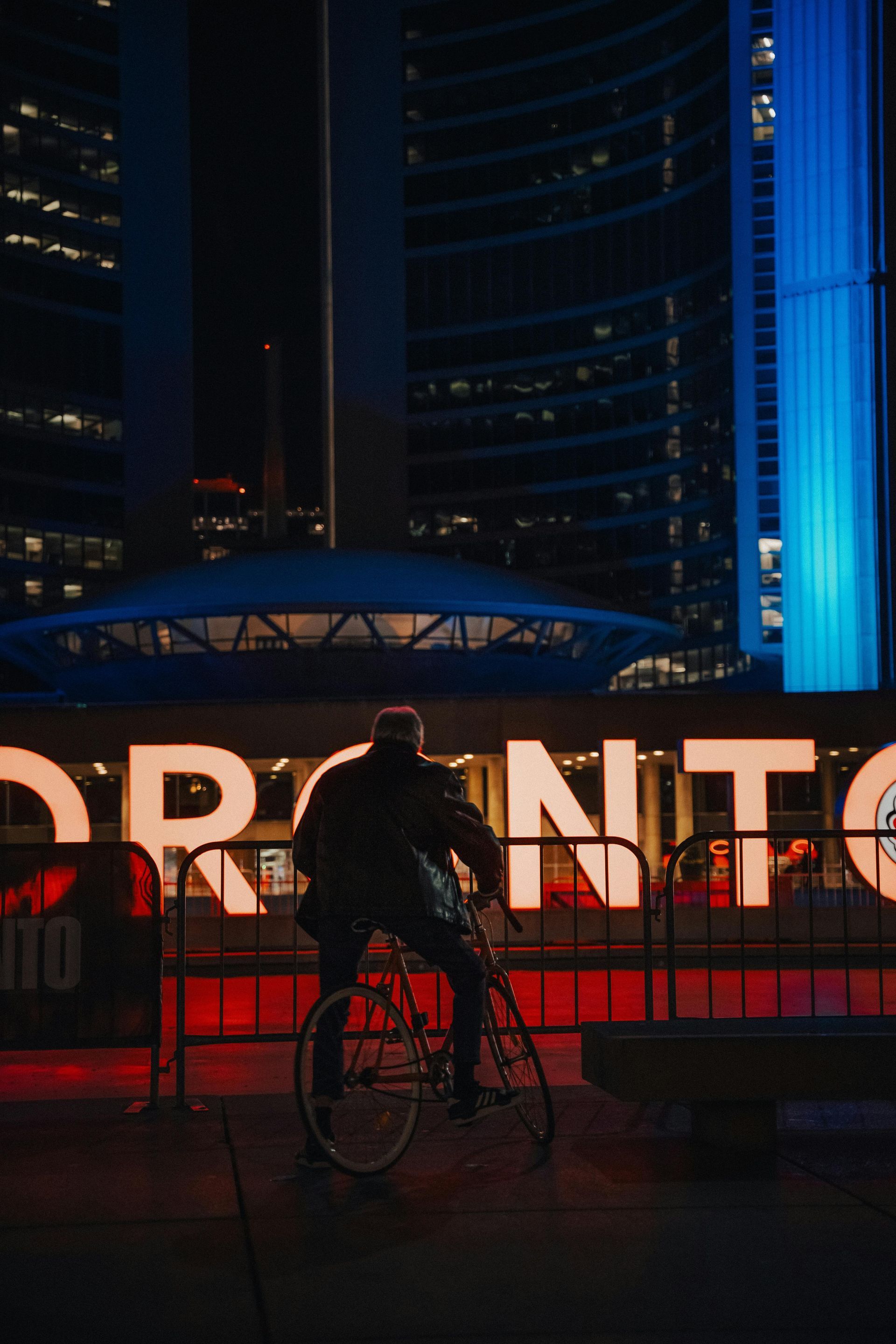

Toronto is Canada’s largest city and one of the most multicultural urban centers in the world. For LGBTQIA+ travelers, it offers scale, representation, and diversity comparable to major global cities, combined with strong legal protections and visible social acceptance. Toronto’s size can feel overwhelming at first, but its neighborhoods and transit system quickly make it manageable.
The city is particularly appealing to travelers interested in intersectional queer experiences. Communities of color, trans activists, immigrants, and artists all play visible roles in shaping Toronto’s LGBTQIA+ culture. This diversity influences everything from nightlife and Pride programming to food, fashion, and grassroots organizing.
Gay Neighborhoods: The Church–Wellesley Village remains the symbolic heart of queer life in Toronto. For decades, it has served as a center for activism, nightlife, and community services. Rainbow crosswalks, street art, and LGBTQIA+-owned businesses make the area easy to identify and welcoming to visitors.
While Church Street remains important, queer life in Toronto has expanded well beyond one district. Neighborhoods such as Queen West, Parkdale, and the Junction host queer-owned cafés, pop-up parties, and arts spaces, reflecting the city’s decentralized and evolving identity.
Where to Stay: Downtown Toronto and the Church–Wellesley area are the most convenient bases for LGBTQIA+ travelers. The Anndore House and Chelsea Hotel Toronto are popular choices due to their central locations, inclusive reputations, and easy access to transit, nightlife, and Pride events.
Nightlife Highlights: Woody’s remains a classic Toronto gay bar, drawing nightly crowds and offering a reliable social scene. El Convento Rico is a landmark venue known for drag performances and Latin dance nights that attract a multigenerational and multicultural audience.
Culture & Sights: Toronto offers world-class museums, a vibrant theater scene, and waterfront parks along Lake Ontario. The city’s food culture mirrors its diversity, with queer-friendly dining options across cuisines and price points. Day trips to the Toronto Islands or Niagara Falls add variety to longer stays.
Getting Around: Toronto’s public transportation system includes subways, streetcars, and buses that cover most areas travelers will visit. While distances are large, frequent service minimizes wait times. For visitors, Toronto is one of the easiest large cities in North America to explore without a car.
Quebec City
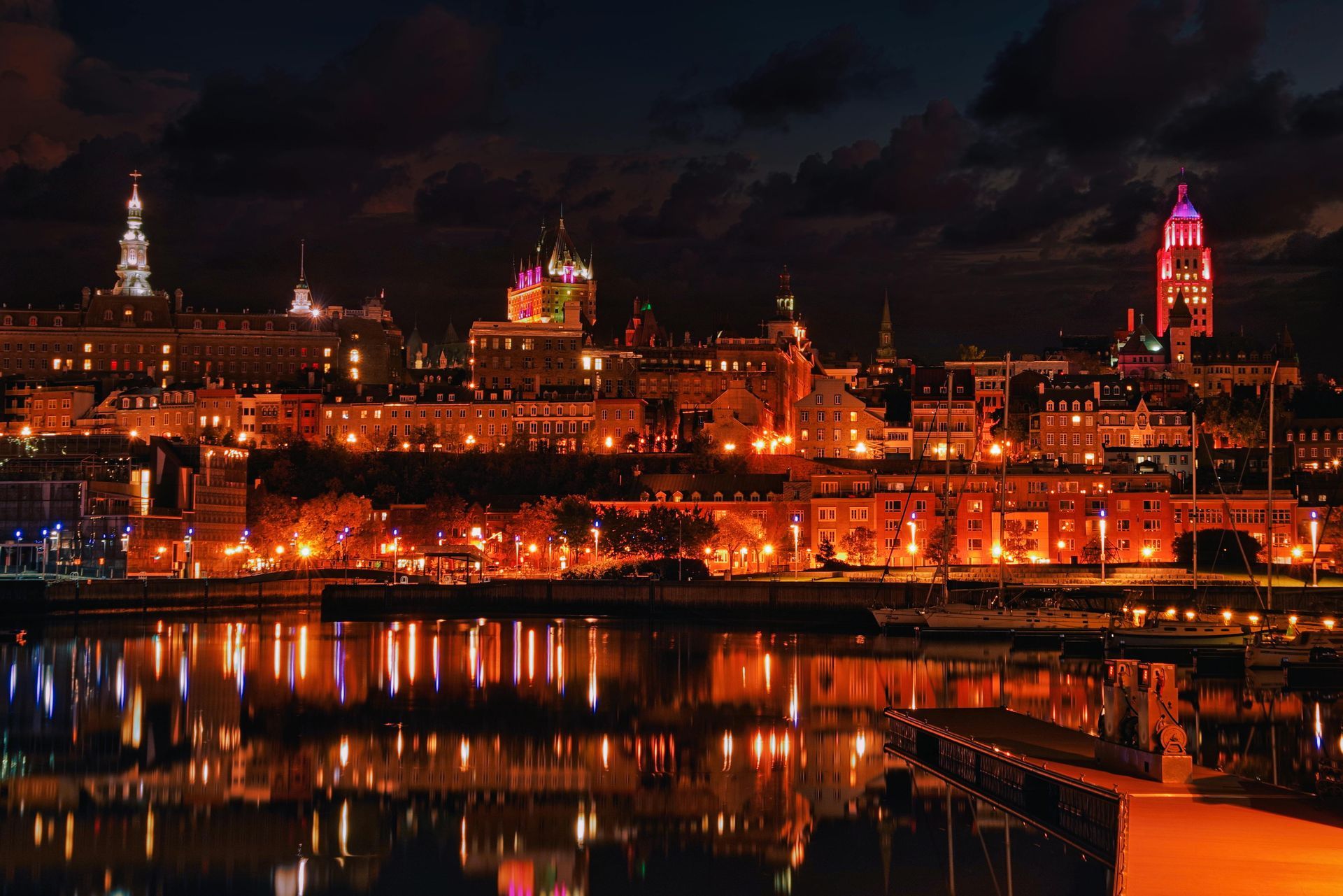
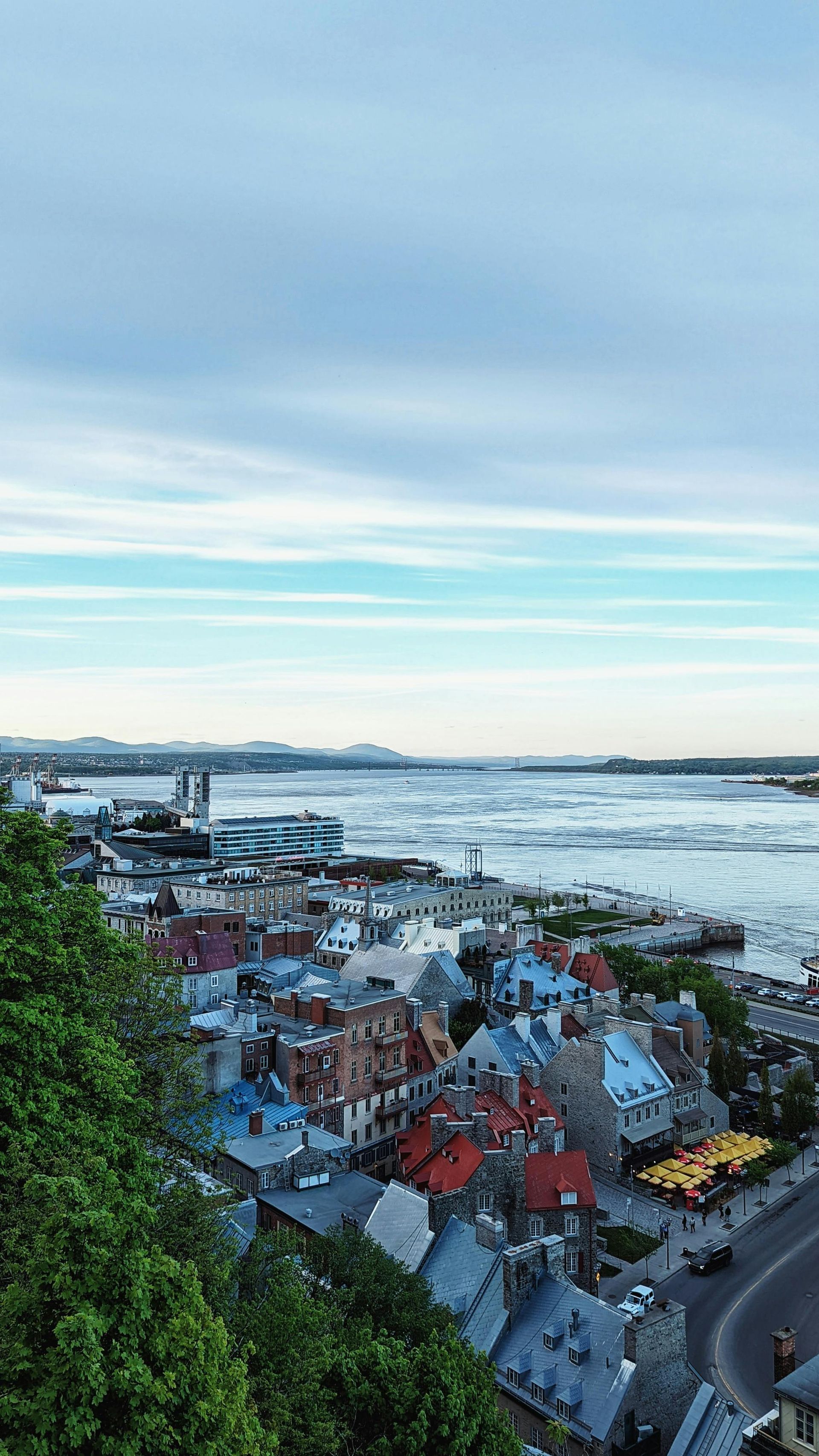


Quebec City offers a quieter but deeply affirming experience for LGBTQIA+ travelers. Known for its historic charm, fortified walls, and European-style streets, the city appeals to visitors seeking romance, walkability, and cultural immersion rather than high-energy nightlife. For many queer travelers, this slower pace is part of the appeal.
While smaller and more traditional than Montreal or Toronto, Quebec City has become increasingly visible and welcoming. Inclusive signage, Pride flags, and openly queer-friendly businesses are common throughout the historic center, signaling acceptance without spectacle.
Gay-Friendly Areas: Rather than a defined gay district, LGBTQIA+ spaces are integrated throughout Old Quebec and Saint-Jean-Baptiste. Rue Saint-Jean, in particular, is known for inclusive bars, cafés, and social venues that attract a mixed queer and ally crowd.
This integration often makes visitors feel less isolated or “touristed” than in larger gay districts. Social interactions tend to be relaxed and personal, which can be especially appealing to solo travelers or couples.
Where to Stay: Old Quebec is ideal for atmosphere and walkability. Auberge Saint-Antoine is frequently cited for its inclusive service, historic setting, and proximity to major sights, making it a strong choice for LGBTQIA+ travelers seeking comfort and character.
Nightlife Highlights: Le Drague Cabaret Club is the city’s most well-known LGBTQIA+ venue, offering drag shows, themed dance nights, and community events. While nightlife options are limited compared to larger cities, the quality and friendliness of venues often stand out.
Culture & Sights: Old Quebec is a UNESCO World Heritage Site, with landmarks such as Château Frontenac and scenic views of the St. Lawrence River. Museums, galleries, and seasonal festivals provide cultural depth, while cafés and wine bars encourage lingering exploration.
Getting Around: Quebec City’s historic core is highly walkable, and most major attractions are within easy reach on foot. Public buses provide access to surrounding neighborhoods, but many visitors find they rarely need them during short stays.
Halifax

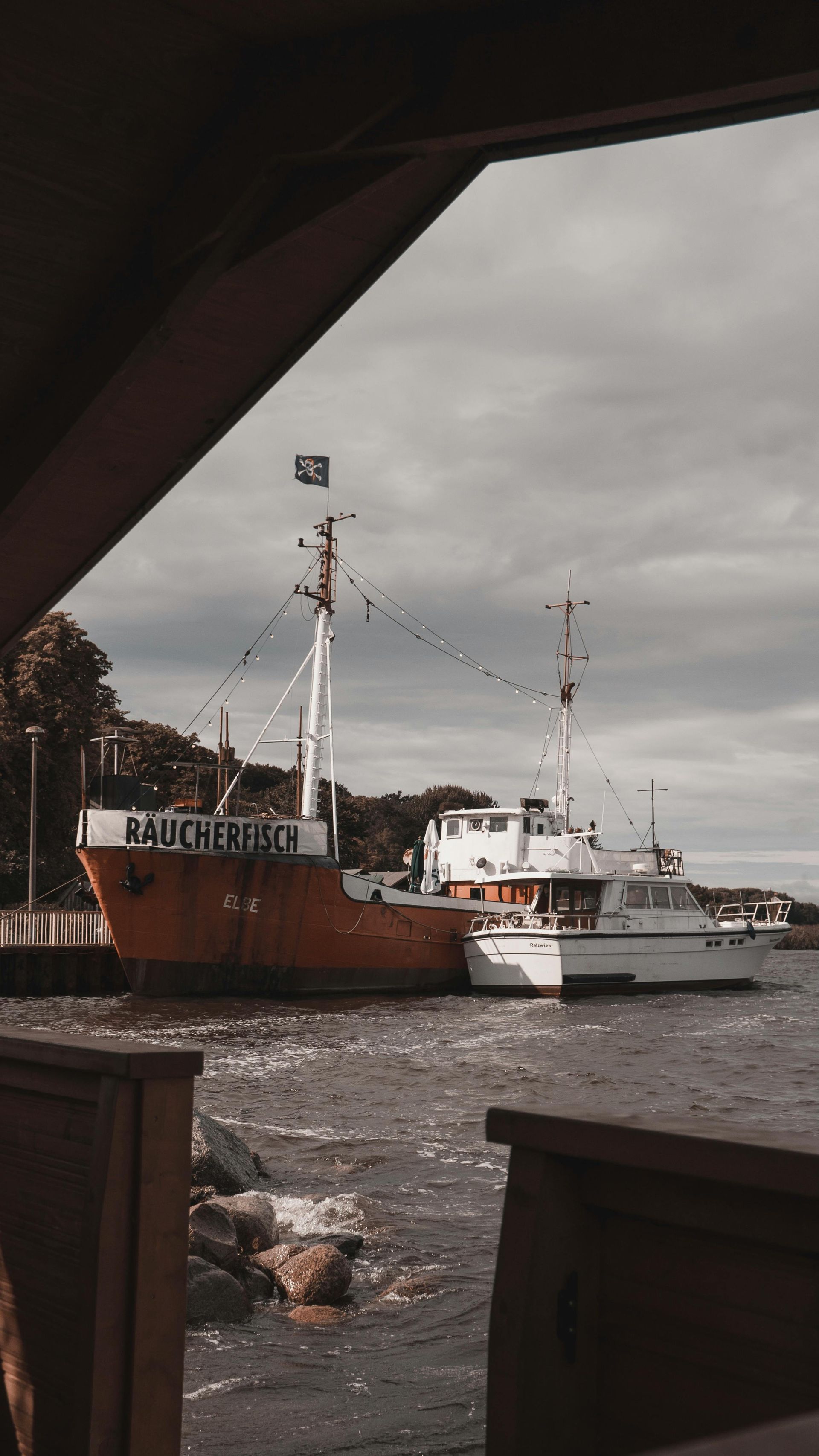
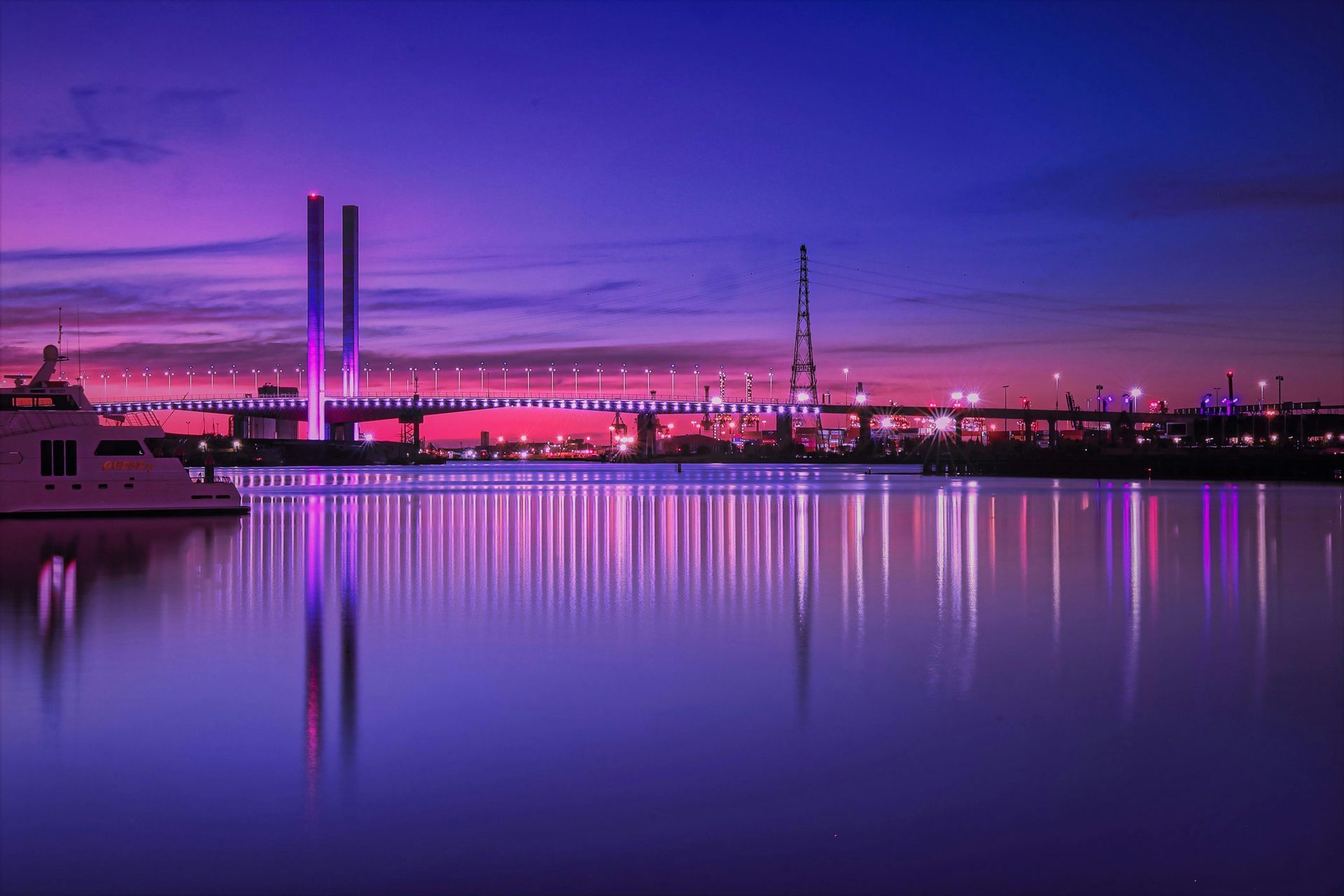
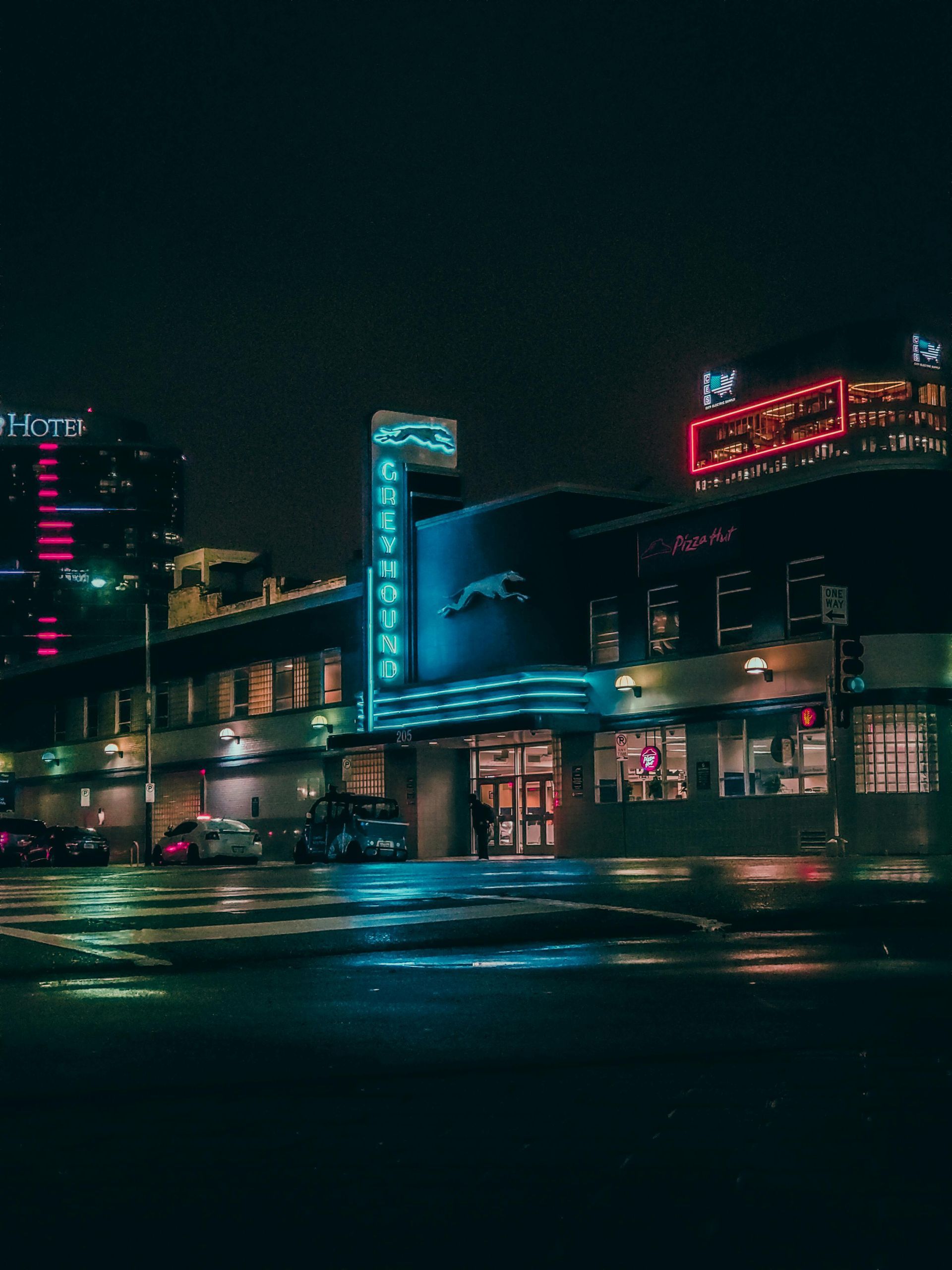
Halifax offers an East Coast approach to queer life that is warm, personal, and community-driven. While smaller than other Canadian cities in this guide, Halifax consistently surprises visitors with its friendliness, approachability, and strong sense of local pride.
For LGBTQIA+ travelers, the city feels accessible and unpretentious. It is easy to strike up conversations, attend local events, and feel welcomed into social spaces, even on a short visit.
Gay-Friendly Areas: There is no single gayborhood, but LGBTQIA+ life is centered around Downtown Halifax and the North End. These areas host inclusive bars, cafés, and performance spaces that regularly feature drag shows, queer dance nights, and community gatherings.
Because venues often serve multiple purposes, they become hubs for both nightlife and activism. This overlap strengthens community bonds and creates an environment where visitors can easily connect with locals.
Where to Stay: Downtown Halifax offers the best access to queer-friendly venues and the waterfront. The Lord Nelson Hotel & Suites is a long-standing favorite known for its central location and inclusive atmosphere.
Nightlife Highlights: The Seahorse Tavern is a key venue that regularly hosts queer events, live music, and dance nights. Its mixed crowd and community focus make it popular with both locals and visitors.
Culture & Sights: Halifax’s waterfront boardwalk is a defining feature, offering harbor views, museums, and access to ferries. The city’s layered history—from Indigenous Mi’kmaq roots to maritime trade—is explored through cultural institutions and guided tours.
Getting Around: Halifax is compact and walkable, particularly in central areas. The local transit system, including buses and scenic harbor ferries, makes getting around simple without a car.
Vancouver

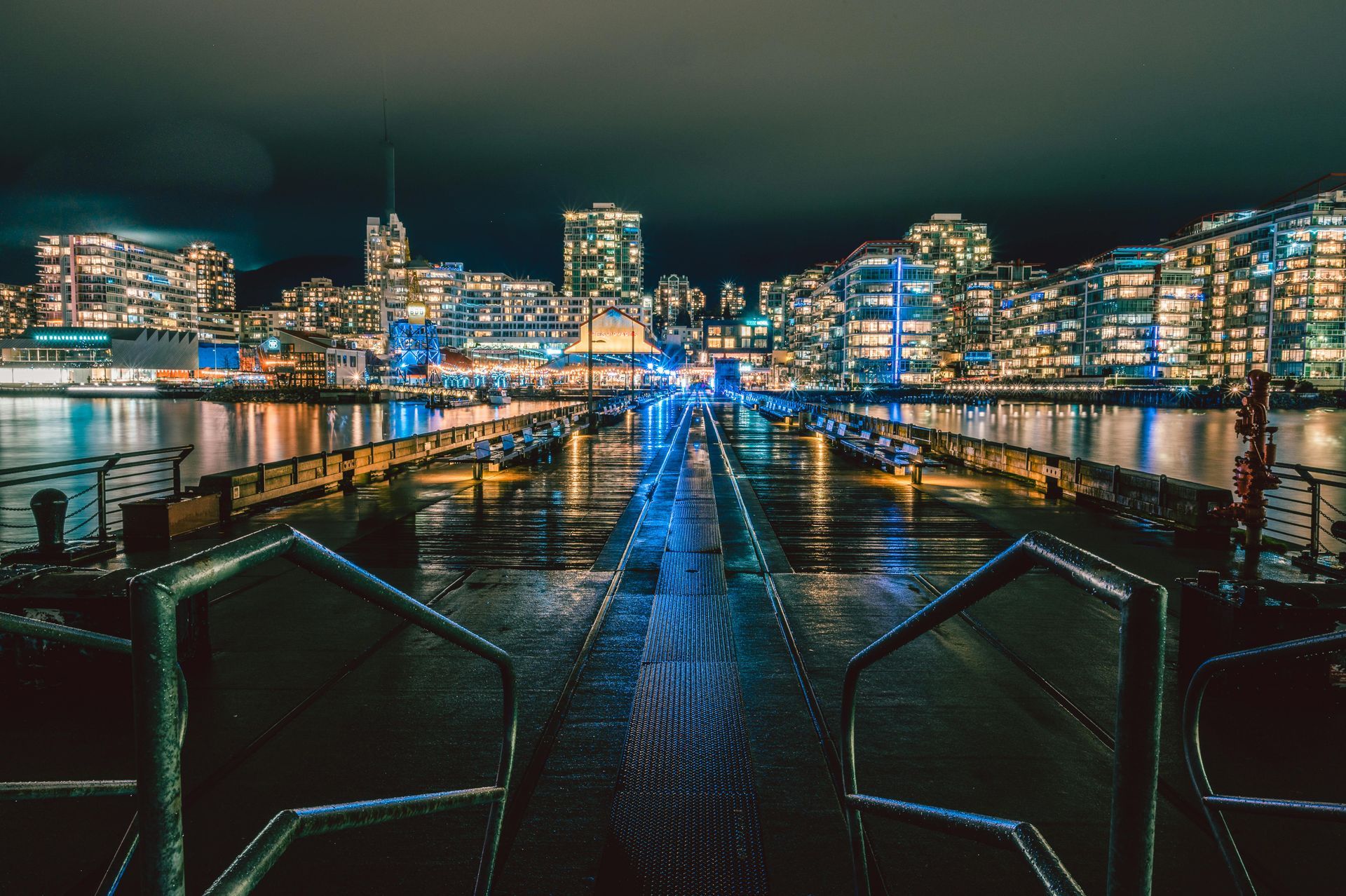

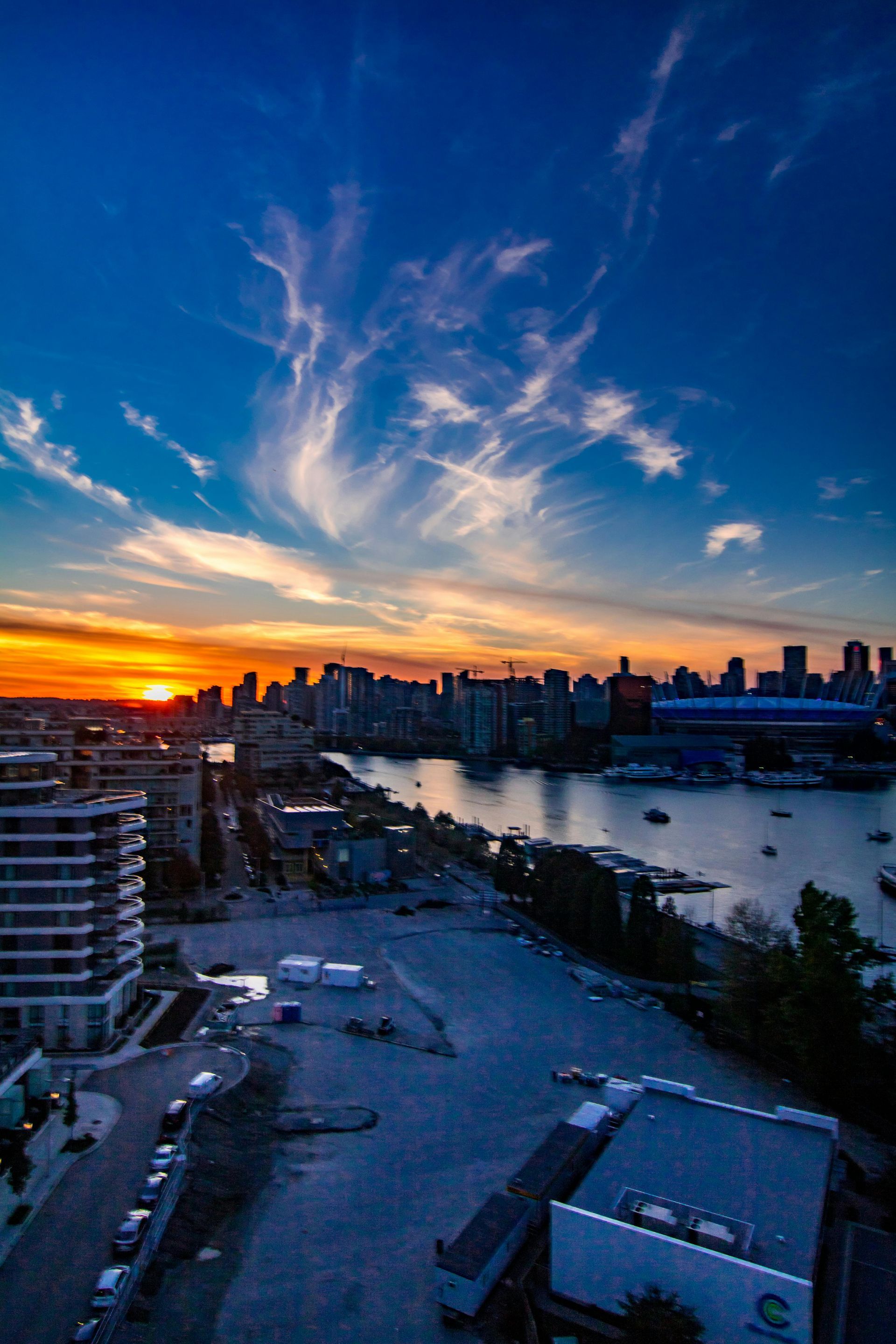
Vancouver consistently ranks among the most LGBTQIA+-friendly cities in the world. Known for its natural beauty and progressive values, the city appeals to travelers seeking both urban culture and immediate access to outdoor experiences such as beaches, forests, and mountains.
Queer life in Vancouver is closely connected to broader social justice movements, including environmentalism, Indigenous rights, and trans advocacy. This intersectional approach shapes nightlife, Pride programming, and community spaces.
Gay Neighborhoods: Davie Village, located in the West End, is Vancouver’s primary gay district. Rainbow crosswalks and queer-owned businesses mark the area, which offers nightlife, dining, and social spaces in a relaxed and inclusive setting.
The West End’s residential feel makes it popular with travelers who want to stay close to queer venues without sacrificing quiet streets and proximity to nature.
Where to Stay: The West End and Downtown Vancouver are ideal for LGBTQIA+ travelers. The Burrard Hotel and the Sylvia Hotel are well known for their welcoming atmospheres and convenient locations near Davie Village and public transit.
Nightlife Highlights: Celebrities Nightclub is a cornerstone of Vancouver’s queer nightlife, hosting dance parties and drag performances. Pumpjack Pub is a long-running, inclusive bar that attracts a diverse crowd and offers a more relaxed social environment.
Culture & Sights: Stanley Park, beaches, and waterfront paths provide easy access to nature within city limits. Museums, galleries, and a global food scene add cultural depth, ensuring there is as much to explore indoors as out.
Getting Around: Vancouver’s transit system includes buses, SkyTrain, and SeaBus routes that connect neighborhoods efficiently. Davie Village is easily accessible by transit, and the city’s bike infrastructure is among the best in North America.
Seasonal Advice
Spring (April–May): Spring is a shoulder season across Canada and an excellent time for LGBTQIA+ travelers who prefer fewer crowds and lower hotel rates. Cities begin to thaw, patios reopen, and cultural calendars pick up. While Pride events have not yet started, queer spaces are active year-round, and this season is ideal for museum visits, food-focused travel, and neighborhood exploration.
Summer (June–August): Summer is peak season for LGBT travel in Canada. Major Pride festivals take place during these months—Toronto Pride in late June, Vancouver Pride in late July or early August, Halifax Pride in July, and Montreal Pride in August. Expect vibrant street life, packed nightlife, and higher accommodation prices. Booking early is strongly recommended, especially for Pride weekends.
Fall (September–October): Fall offers a quieter but still lively experience. Cooler temperatures, fall foliage, and fewer tourists make this an appealing time for solo travelers and couples. Many queer venues host themed nights and cultural events after Pride season, and hotel availability improves significantly.
Winter (November–March): Winter travel is best suited to travelers comfortable with cold weather. While nightlife continues, outdoor sightseeing is limited in some cities. However, winter brings the lowest prices on accommodations and flights, and cities like Montreal and Quebec City offer unique winter festivals and cozy indoor culture.
Solo Travelers & Canada
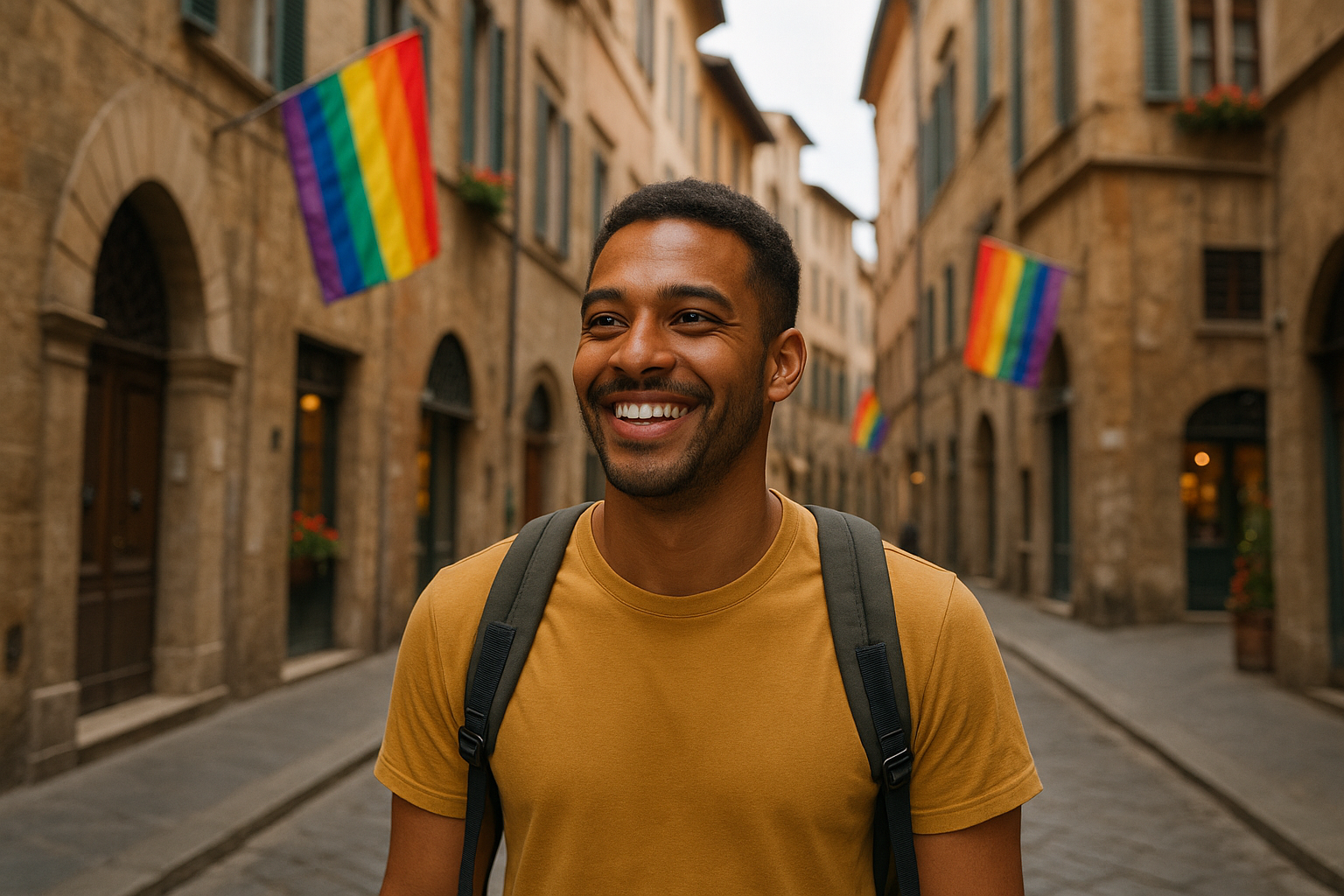

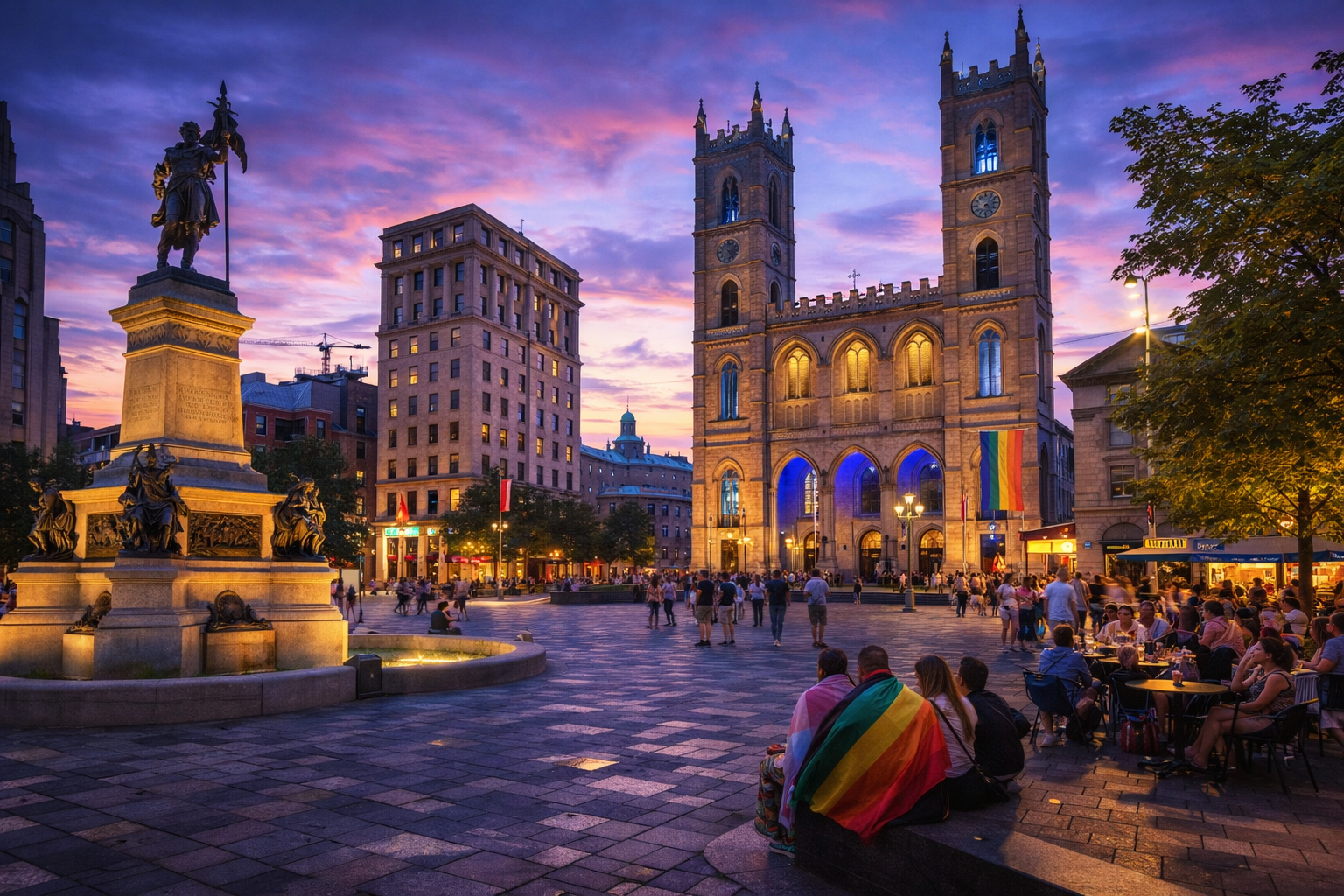
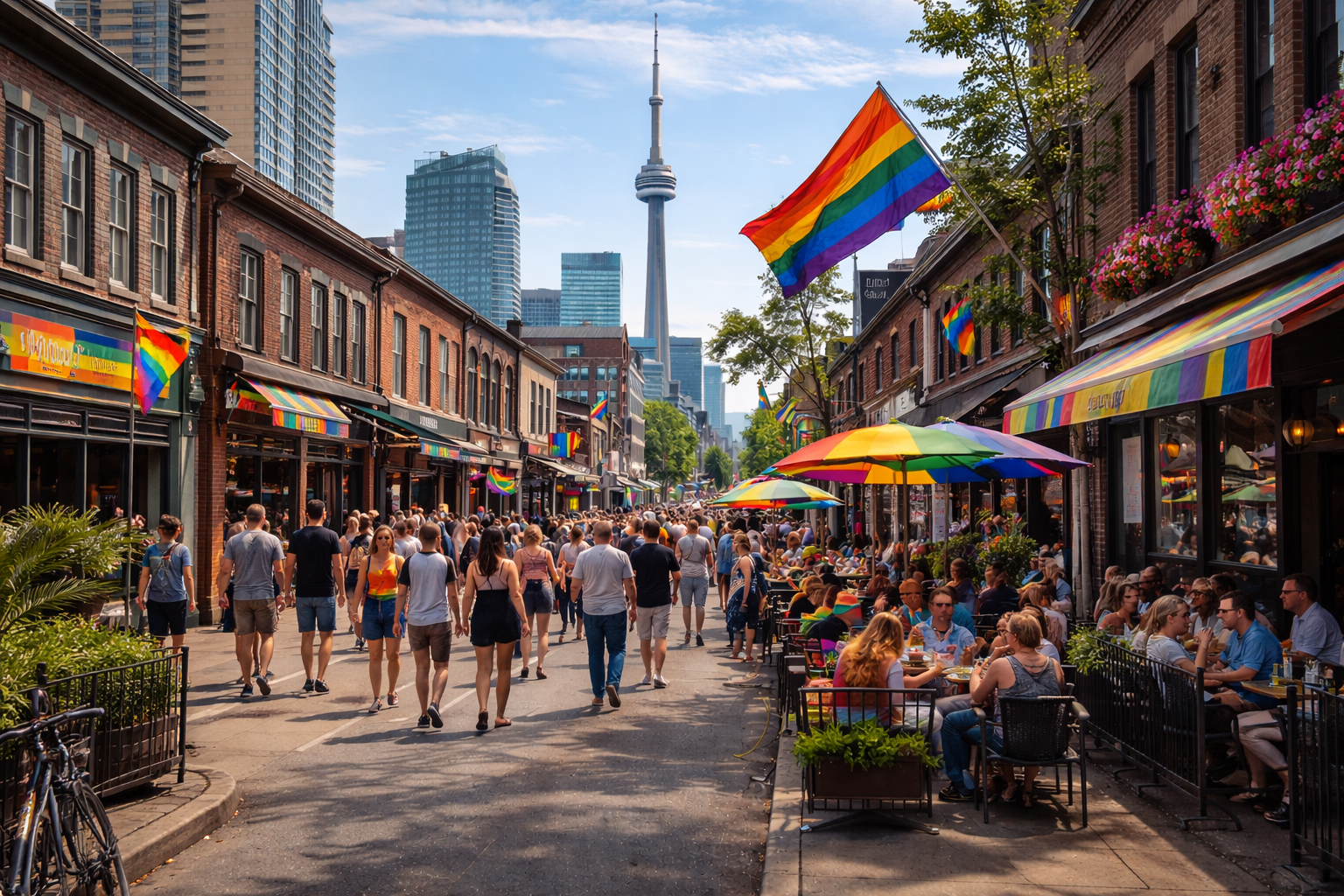
Canada is consistently ranked as one of the safest countries in the world, making it an excellent destination for LGBTQIA+ solo travelers. Legal protections, visible queer communities, and generally respectful social norms contribute to an environment where traveling alone feels comfortable rather than isolating.
Large cities such as Montreal, Toronto, and Vancouver are especially well suited to solo travel. Gay neighborhoods function as social hubs, making it easy to meet people organically in cafés, bars, and community events. Many queer venues are accustomed to solo patrons, and striking up conversation is generally welcomed.
For solo travelers seeking a quieter pace, Quebec City and Halifax provide intimate settings where interactions feel personal and less anonymous. Smaller venues and community-driven events make it easier to connect with locals without navigating large crowds.
Public transportation further supports solo travel. Canadian cities are easy to navigate without a car, reducing logistical stress and allowing travelers to focus on exploration rather than planning. For LGBTQIA+ travelers who value independence, safety, and cultural immersion, Canada is an especially rewarding solo destination.
Final Thoughts
Each of these Canadian cities offers a distinct expression of queer life. Montreal is bold and expressive, Toronto is expansive and diverse, Quebec City is romantic and quietly affirming, Halifax is warm and community-oriented, and Vancouver blends inclusion with nature and wellness. What unites them is safety, visibility, and ease of travel.
For LGBTQIA+ travelers seeking a destination where inclusion is not an afterthought but a cultural norm, Canada’s cities continue to set the global standard.
This is paragraph text. Click it or hit the Manage Text button to change the font, color, size, format, and more. To set up site-wide paragraph and title styles, go to Site Theme.