First-Time Cruise Tips: Embarkation Day, Packing Essentials, & What to Expect Onboard
Why Cruising Is Ideal for First-Time Travelers
One of the greatest advantages of cruising is simplicity. Accommodations, dining, entertainment, and transportation between destinations are bundled into one experience. For first-time travelers or those new to international destinations, this structure removes much of the guesswork and stress often associated with travel planning. You unpack once, yet wake up in a new destination every day. Meals are readily available, activities are clearly scheduled, and support staff are always close at hand.
Cruising also allows first-time travelers to sample multiple destinations without committing to a long stay in one place. If you fall in love with a particular port, you can always return later for a land-based vacation. If a destination feels less appealing, you can simply enjoy the ship and look forward to the next stop. This balance of exploration and comfort is why cruising continues to grow in popularity among new travelers.
Understanding Embarkation Day: What to Expect
Essential Documents First-Time Cruisers Must Have
Having the correct travel documents is a critical part of a smooth and stress-free cruise experience, and it is an area where preparation truly pays off. While documentation requirements can vary by itinerary, destination, and cruise line, a valid passport is strongly encouraged for all cruisers, even on sailings where it may not be strictly required. Most cruises—especially those visiting international ports—require a passport, and certain destinations or unexpected itinerary changes may require one for entry or reboarding the ship. Ports of call can enforce their own entry rules independent of the cruise line, making a passport your most reliable form of identification.
Some closed-loop cruises that depart from and return to the same U.S. port may permit alternative documentation, such as a government-issued birth certificate and photo ID. However, relying on these alternatives can limit your flexibility if plans change due to weather, medical needs, or emergency disembarkation in a foreign country. A passport provides peace of mind, simplifies the boarding process, and ensures you can move freely through ports that may otherwise restrict entry without one. For travelers who want the smoothest experience possible—and the ability to fully enjoy every stop along the way—a passport remains the gold standard.
In addition to your passport, it is wise to carry both printed and digital copies of essential travel documents. This includes your cruise confirmation, boarding passes, and any pre-booked shore excursions or specialty experiences. While cruise lines maintain most traveler information electronically, technology is not infallible, and ports around the world vary widely in connectivity and procedures. Having backups readily accessible can save valuable time and reduce stress at the cruise terminal, during port excursions, or if documentation needs to be verified while ashore. Thoughtful preparation with the right documents ensures that nothing stands between you and the experiences waiting at each destination.
Packing Tips for First-Time Cruisers
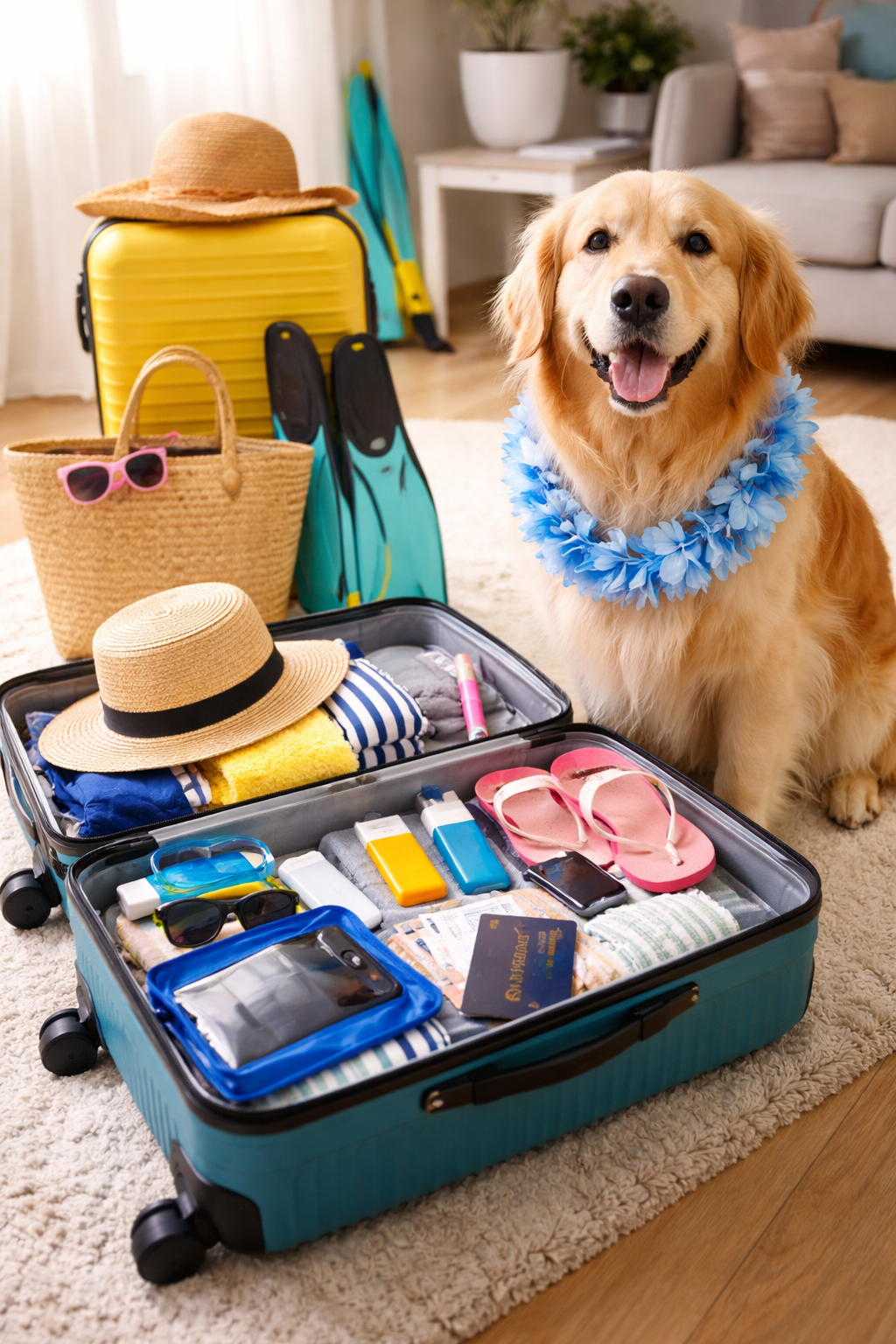
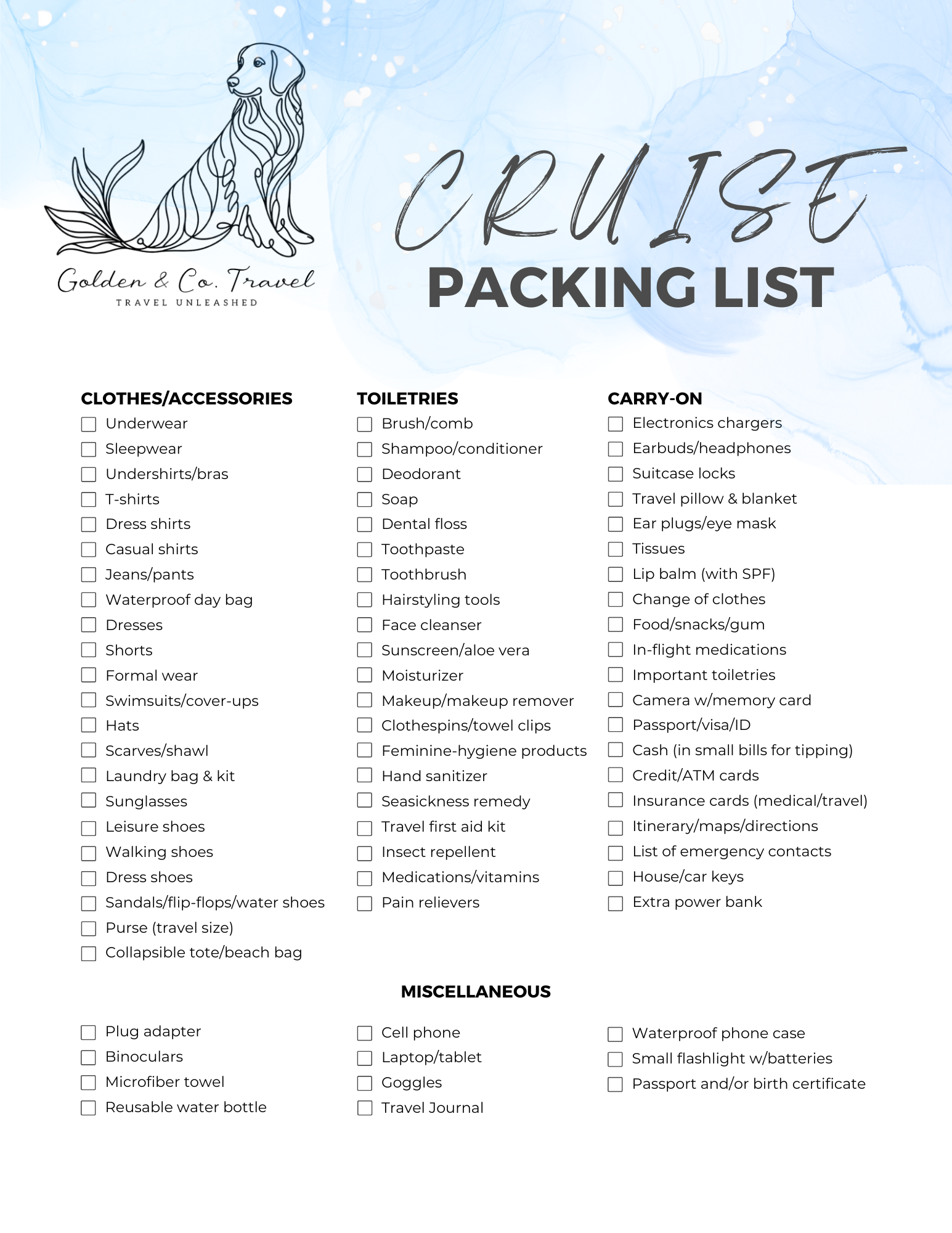
Packing for a Caribbean cruise is easiest when you organize by function rather than by category. Be sure to bring all essential travel documents, including a valid passport (strongly recommended for all itineraries), your cruise boarding pass and confirmation, printed and digital copies of important paperwork, a photo ID, and confirmations for any pre-booked shore excursions. On embarkation day, pack a carry-on bag with medications in their original containers, valuables, your phone and chargers, a portable battery pack, a swimsuit and cover-up, sunscreen, sunglasses, and a change of clothes so you can enjoy the ship while waiting for your luggage.
For clothing, focus on lightweight, breathable daytime outfits such as shorts, activewear, and casual tops, along with multiple swimsuits for convenience. Evenings typically call for resort-casual attire like sundresses, slacks, or collared shirts, with an optional dress-up outfit if your cruise offers formal nights. A lightweight sweater or jacket is useful for cooler evenings, and comfortable walking shoes are essential for excursions, along with sandals or flip-flops for pool areas. Pack sleepwear and undergarments as well. Helpful cruise-approved accessories include a non-surge power strip or multi-USB charger, magnetic hooks for cabin walls, a small backpack or tote for port days, a refillable water bottle (empty at embarkation), and a lanyard or card holder for your cruise key card.
Don’t forget toiletries and personal care items, such as travel-size toiletries, sunscreen and after-sun lotion, motion sickness remedies, basic first-aid supplies, and hand sanitizer or disinfecting wipes. For electronics, bring your phone, tablet, or e-reader, charging cables, headphones or earbuds, and a camera or action camera if permitted by your cruise line. Popular optional extras include packing cubes for organization, wrinkle-release spray (since irons are prohibited), a laundry bag or collapsible hamper, binoculars for scenic cruising, and snorkel gear if allowed. Packing thoughtfully with these essentials ensures a comfortable, organized, and stress-free Caribbean cruise experience.
By merging thoughtful clothing choices with cruise-approved essentials, travelers can avoid overpacking, stay organized, and move through embarkation smoothly. Reviewing your cruise line’s prohibited-items list before finalizing your bags ensures everything you bring can be enjoyed onboard—allowing you to focus on relaxation, exploration, and making the most of every moment at sea.
Email
Anthony@gcotravel.com for a PDF copy of the checklist pictured above.
What Not to Pack
ruise lines enforce prohibited-items policies to protect passenger safety and ensure ships operate smoothly, and these rules are strictly applied during embarkation screening. Many everyday household items are not permitted onboard because they pose fire hazards or interfere with ship electrical systems. Even items that seem harmless on land can present risks at sea, where emergency response and power loads are carefully controlled. Understanding these restrictions in advance helps prevent delays, confiscation, or the frustration of having personal belongings held until the end of the cruise.
Commonly prohibited items include, but are not limited to:
- Irons and steamers, including travel-sized versions
- Candles, incense, and open-flame devices
- Surge-protected power strips and extension cords
- Hot plates, immersion heaters, and coffee makers with heating elements
- Personal cooking appliances, such as electric kettles or rice cookers
- Drones and certain recreational electronics, depending on the cruise line
- Large fans or appliances that draw excessive power
Alcohol, Recreational Drugs, and Restricted Substances:
Unauthorized alcoholic beverages, recreational drugs, and substances prohibited under federal or international law are not permitted onboard. This includes marijuana and cannabis-derived products (even where legally prescribed or permitted on land), as well as CBD products in some destinations. Prescription medications should be carried only in their original containers and must comply with the laws of all ports visited. Items that do not meet cruise line or port regulations may be confiscated and could result in denied boarding or delays.
Because prohibited items lists can change and differ between cruise lines, the most reliable step before packing is to review your cruise line’s official guidelines. Doing so helps you avoid unnecessary delays at the terminal, reduces the risk of confiscated items, and ensures embarkation day begins smoothly. Careful planning and awareness of these policies allow you to focus on enjoying your cruise rather than resolving avoidable issues at the port.
Understanding Your Stateroom
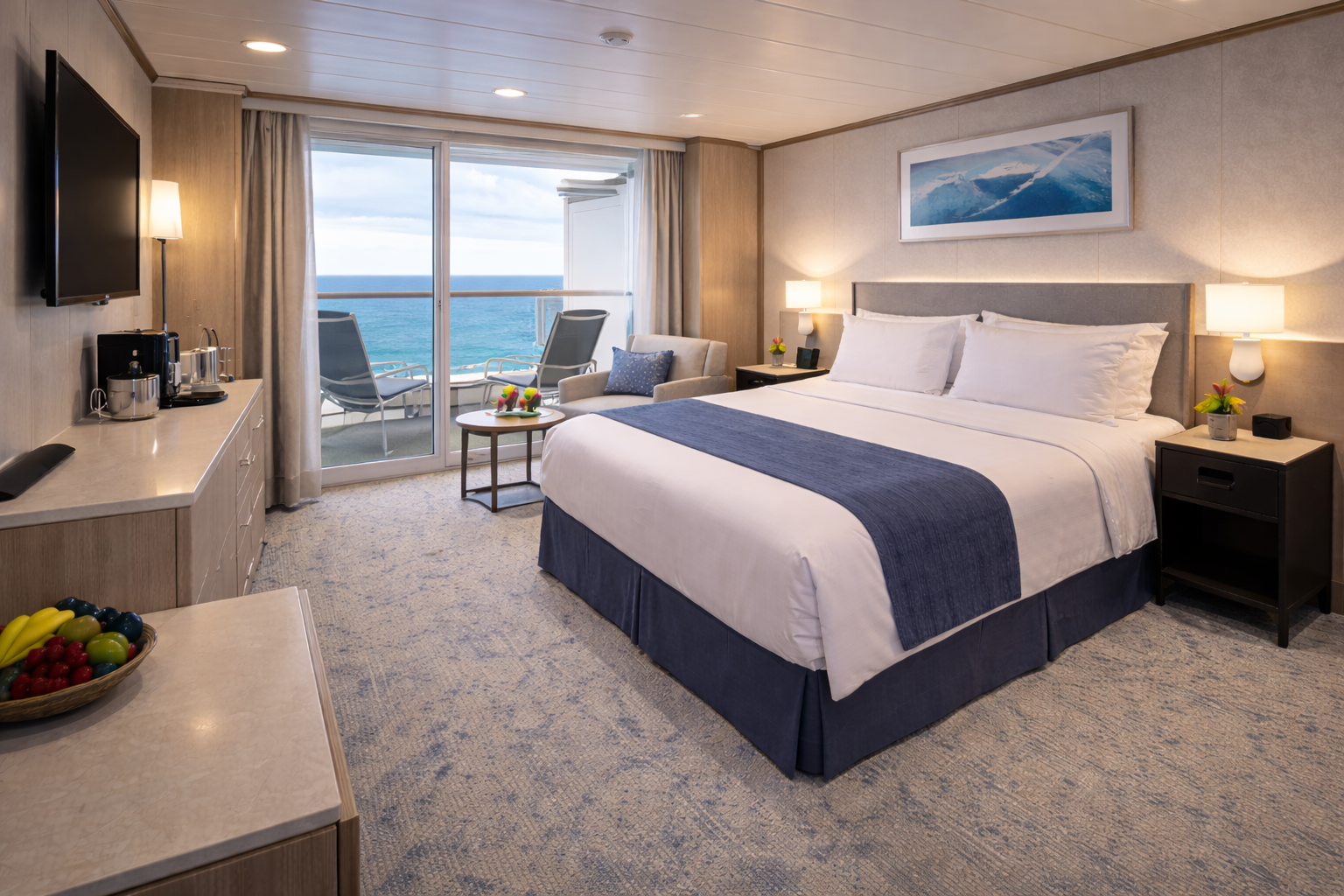
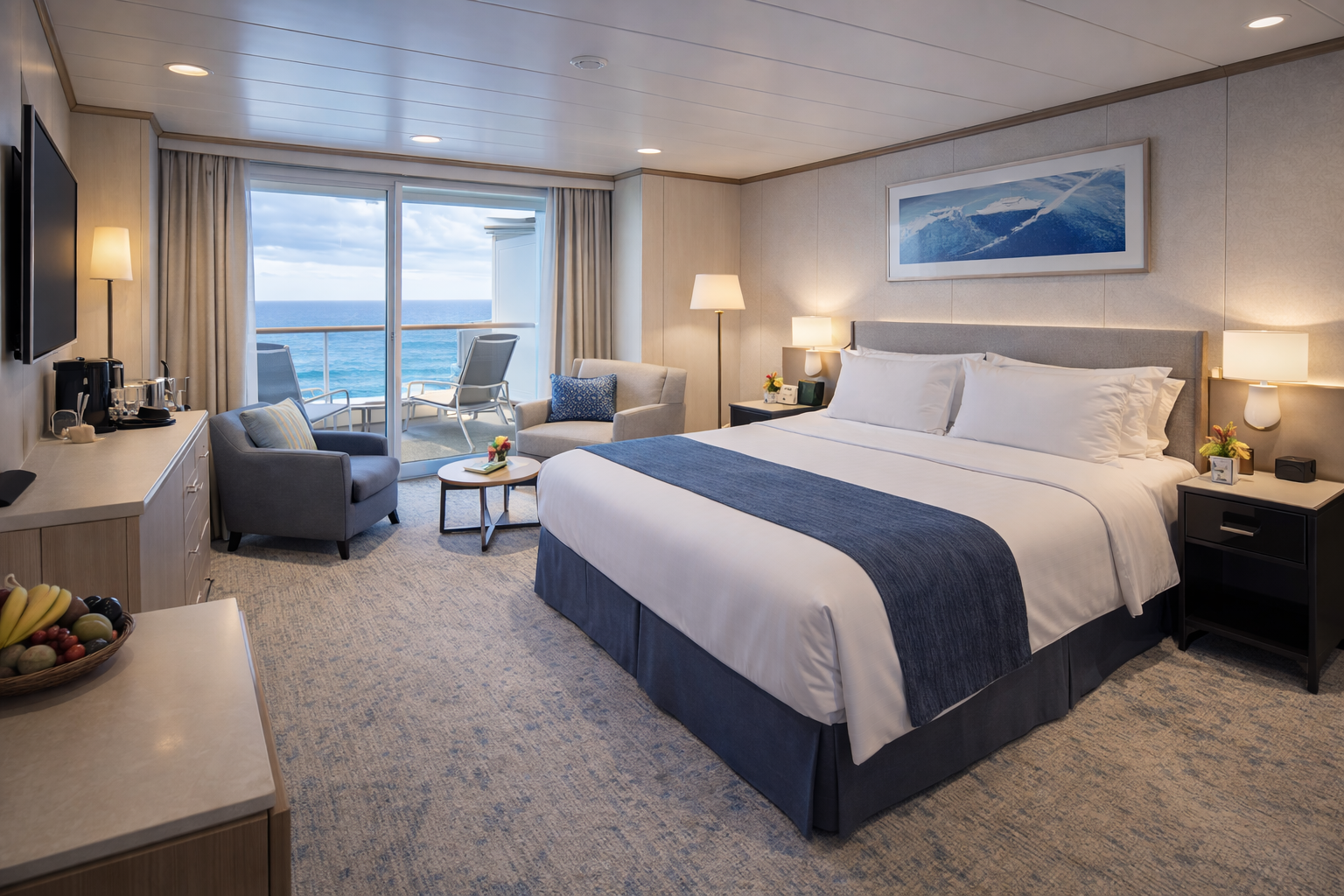
Understanding your cruise stateroom is key to maximizing comfort and making the most of your time onboard. Cruise staterooms are thoughtfully designed to be functional, efficient, and relaxing, but they differ significantly from hotel rooms on land. Space is optimized rather than expansive, which means knowing what to expect—and how to use the space well—can greatly enhance your experience. From layout and storage to location and amenities, having a clear understanding of your stateroom helps set realistic expectations and eliminates many common first-time cruiser surprises.
Cruise staterooms generally fall into several main categories, each offering a different balance of space, amenities, and value. Choosing the right type depends on how you plan to spend your time onboard, your comfort preferences, and your travel budget:
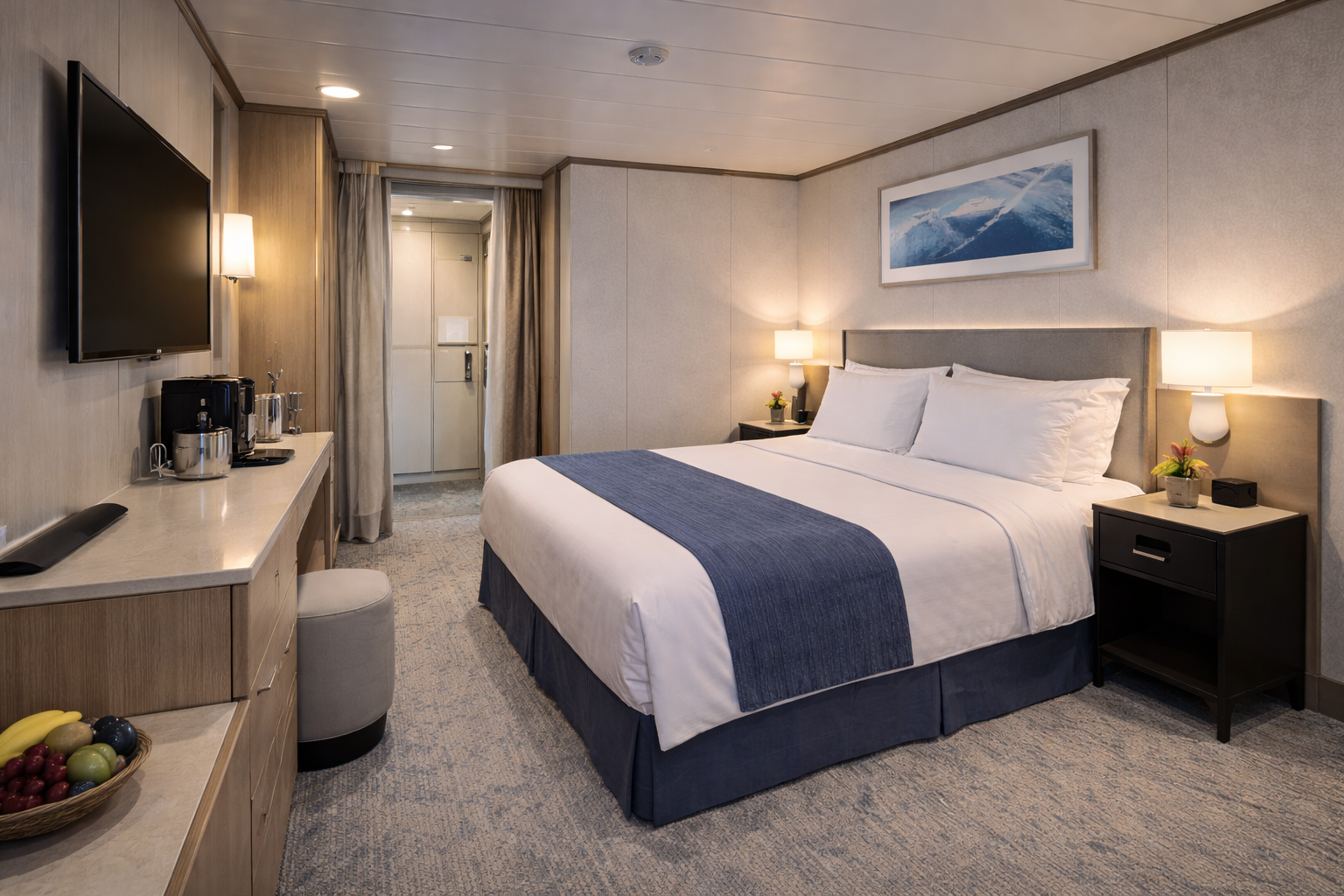
- Interior Staterooms: The most budget-friendly option, interior staterooms are ideal for travelers who plan to spend most of their time exploring the ship, enjoying onboard activities, or venturing ashore in port. While they do not have windows, they are efficiently designed and often appeal to value-focused cruisers or those who prioritize experiences over accommodations.
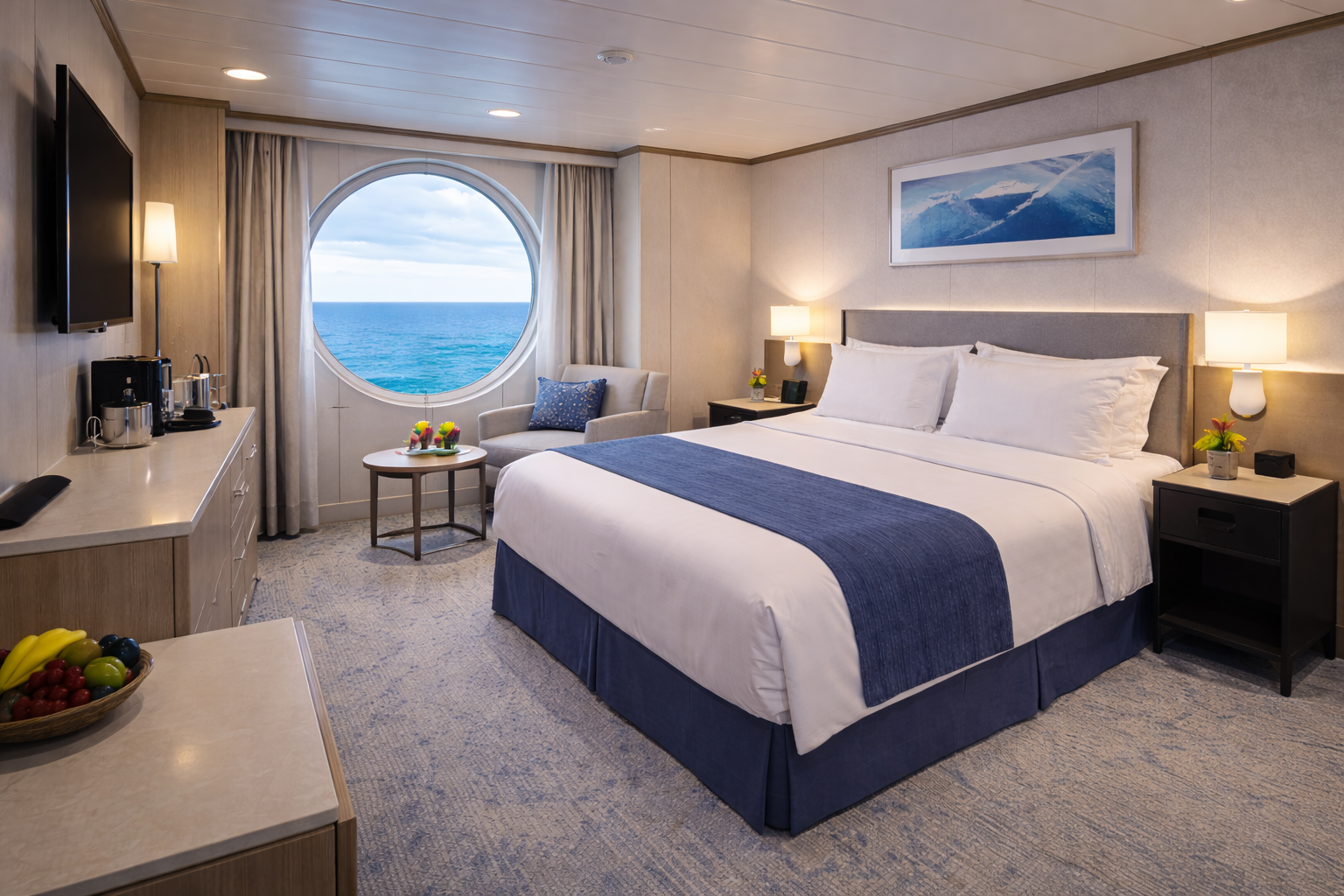
- Oceanview Staterooms: These staterooms feature a window or porthole that allows natural light and views of the sea, creating a brighter and more open atmosphere. Oceanview staterooms strike a balance between affordability and comfort, making them a popular mid-range option.
- Balcony Staterooms: Balcony staterooms include a private outdoor space, allowing guests to enjoy fresh air, ocean views, sail-aways, and quiet moments at sea from the privacy of their own room. Many travelers find balconies especially appealing for scenic itineraries or longer cruises, as they add both relaxation and flexibility to the onboard experience. (This is personally my favorite type of room.)
- Suites: Suites offer the most spacious accommodations, often featuring separate living areas, larger bathrooms, and enhanced storage. Depending on the cruise line, suite guests may also enjoy priority boarding, concierge services, exclusive dining venues, private lounges, or reserved sundeck access, adding an extra layer of comfort and convenience.
Regardless of category, most staterooms include smart storage solutions such as under-bed luggage space, built-in closets, shelving, and wall-mounted hooks. Bathrooms are compact, with limited counter space, making organization especially important. Fully unpacking your luggage and using available storage helps keep the room functional and uncluttered throughout the cruise.
Stateroom location also plays a meaningful role in overall comfort. Cabins near elevators offer easy access to dining and entertainment but may experience more foot traffic. Mid-ship locations tend to feel more stable for guests sensitive to motion, while rooms positioned above or below public venues may experience occasional noise. Reviewing the ship’s deck plan before booking allows you to select a stateroom that aligns with your preferences for quiet, convenience, or accessibility.
Ultimately, your stateroom serves as your personal retreat at sea—a place to recharge between excursions, relax after busy days onboard, and enjoy moments of privacy. Understanding the type, layout, and location of your stateroom in advance allows you to pack more strategically, stay organized, and fully appreciate the comfort your cruise accommodations are designed to provide.
Life on the Ship: Daily Rhythm and Atmosphere
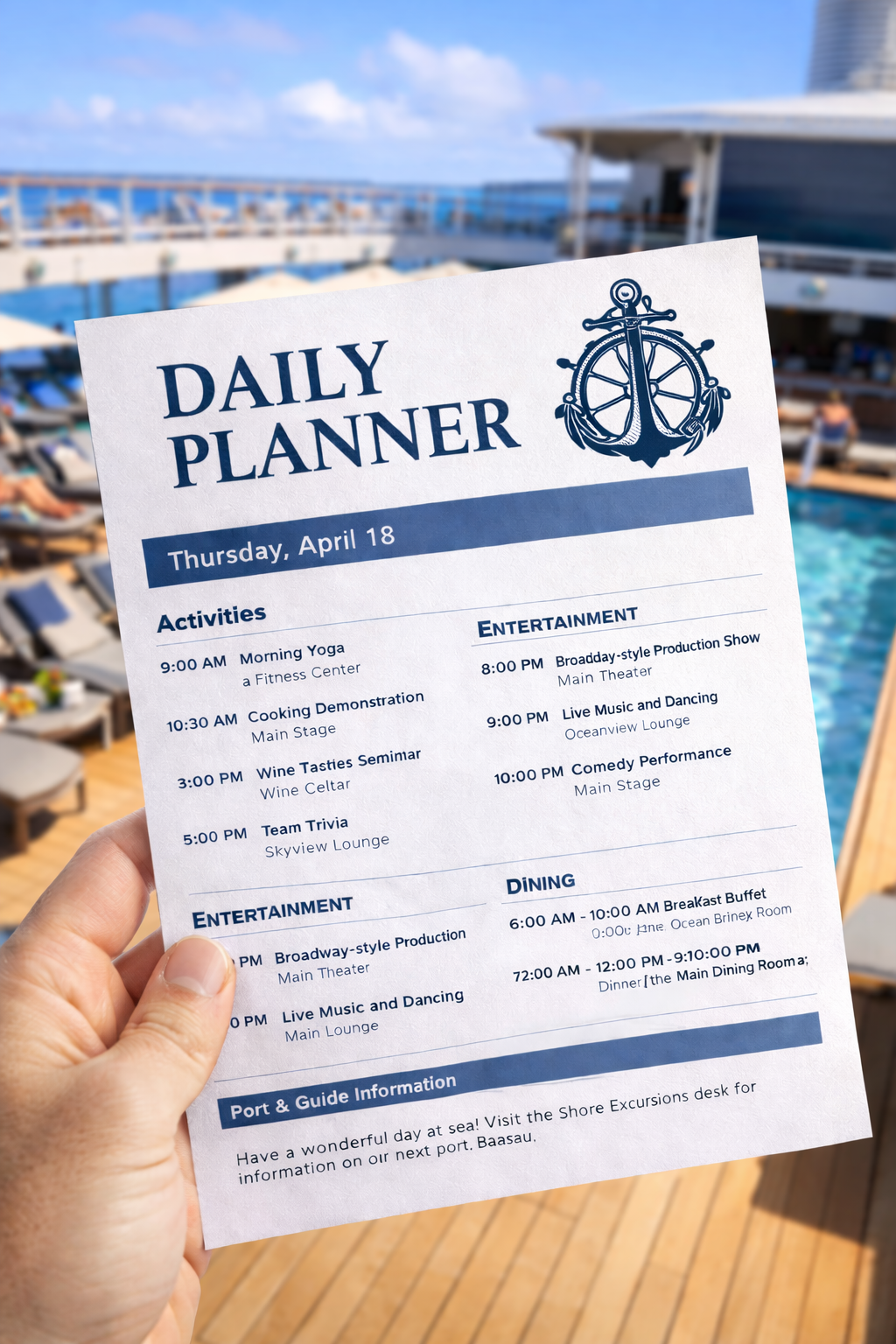
Life onboard a cruise ship strikes a thoughtful balance between structure and freedom, allowing travelers to design each day exactly as they wish. Every evening, guests receive a daily schedule—either delivered to the stateroom or available through the ship’s app—detailing the next day’s activities, entertainment, dining hours, enrichment programs, and port information. This daily guide serves as both a planning tool and an inspiration source, helping you map out must-do experiences while still leaving room for spontaneity. Some travelers enjoy planning their days in advance, while others prefer to wake up and decide based on mood—and both approaches work seamlessly at sea.
Mornings onboard tend to feel unhurried and inviting. Breakfast options typically range from casual buffet dining to full-service restaurants offering made-to-order dishes, allowing guests to ease into the day at their own pace. On port days, mornings may begin earlier for shore excursions, while sea days invite slower starts, late breakfasts, and time spent enjoying ocean views from the deck or balcony. Fitness enthusiasts can take advantage of early-morning classes, walking tracks, or gyms, while others may opt for a quiet coffee, a book, or a sunrise view.
Sea days are where the ship truly shines as a floating resort. Pools, hot tubs, spas, and sun decks provide ample opportunities for relaxation, while fitness centers, wellness classes, and walking tracks support active travelers. Enrichment programs such as cooking demonstrations, guest lectures, art classes, tastings, or destination talks add depth to the experience and appeal to curious minds. These days offer the freedom to do as much—or as little—as you like, without the pressure of schedules or reservations ashore.
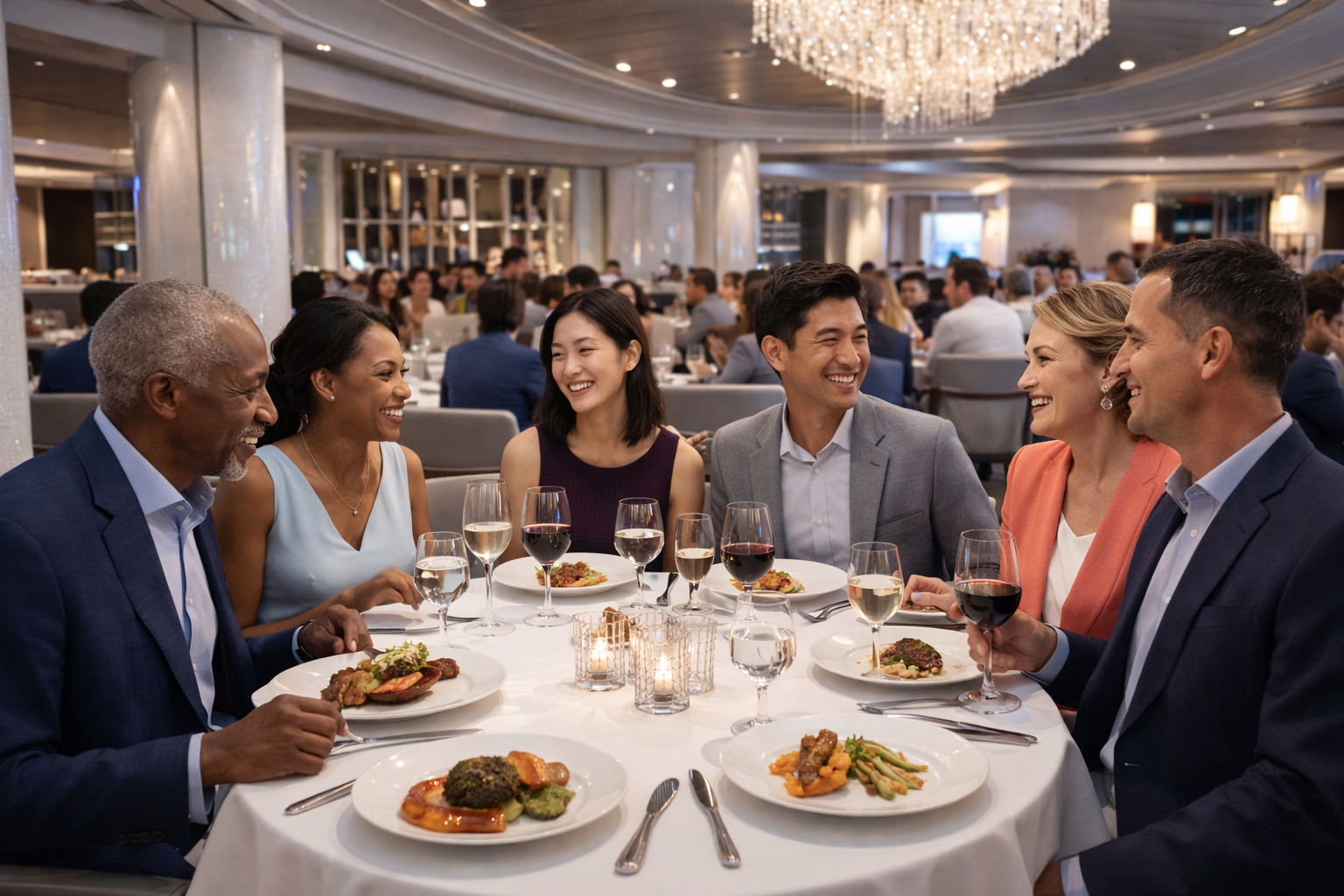
Evenings onboard bring a shift in energy and atmosphere. Live theater-style shows, comedy acts, musical performances, and themed events anchor the night’s entertainment, while lounges and bars offer live music, dancing, and quieter spaces for conversation. Dining venues range from relaxed main dining rooms to specialty restaurants, giving guests flexibility in how formal or casual their evenings feel. Whether you gravitate toward high-energy performances and late nights or prefer a peaceful dinner followed by a sunset stroll on deck, cruise ships are designed to accommodate every travel style, ensuring each day ends as enjoyably as it begins.
Dining on a Cruise: What First-Time Cruisers Should Know
Onboard Costs and How Spending Works
While cruising delivers exceptional value with many amenities included in the base fare, it’s important—especially for first-time cruisers—to understand what typically costs extra. Accommodations, main dining rooms, buffets, entertainment, and many onboard activities are included, but optional experiences such as alcoholic and specialty beverages, specialty dining, spa and salon services, shore excursions, internet packages, onboard shopping, and gratuities are often additional. Having clear expectations ahead of time helps travelers budget confidently and avoid surprises.
All onboard spending is handled through your cruise card, which serves as both your stateroom key and your onboard charge account. Purchases are tracked electronically and settled at the end of the cruise using the payment method on file. While convenient, this cashless system can make it easy to overspend, so checking your onboard account periodically—usually available through the ship’s app or guest services—is a smart habit.
For budgeting purposes, many first-time cruisers spend an
additional $50 to $150 USD per person, per day, depending on preferences. A seven-night cruise, for example, may result in onboard spending of approximately $350 to $1,050 USD per person,
based on January 2026 estimates. Pre-purchasing beverage packages or dining packages can help manage costs, often offering better value than à la carte pricing while simplifying onboard spending so you can relax and enjoy the experience.
Shore Excursions: Exploring Ports with Confidence
Shore excursions are one of the most rewarding parts of a cruise, allowing travelers to experience each destination in a structured, efficient, and enriching way. These excursions are designed to maximize your time in port while minimizing logistical stress, making them especially appealing to first-time cruisers. Cruise line–sponsored excursions offer added peace of mind by including transportation, vetted guides, and the assurance that the ship will wait if an organized tour is delayed. This built-in safety net makes them a popular choice for travelers who want a seamless, worry-free experience ashore.
For more confident or experienced travelers, independent exploration can also be a viable option, offering flexibility and, in some cases, lower costs. However, navigating unfamiliar ports, transportation systems, and timing considerations requires careful planning. As a result, many first-time cruisers prefer organized excursions on their initial sailing, using them as an introduction to cruising while gaining confidence for future trips.
Excursion offerings vary widely by destination and typically include a mix of city tours, cultural and historical experiences, beach escapes, culinary tastings, wildlife encounters, and adventure activities such as snorkeling, ziplining, or hiking. This variety allows travelers to tailor each port day to their interests, whether that means an active adventure or a more relaxed sightseeing experience.
Pricing depends on the destination, duration, and activity level, but travelers can generally expect to pay approximately $75 to $200 USD per person, per excursion, based on January 2026 estimates. While shore excursions represent an additional cost, many cruisers find them to be a worthwhile investment, offering deeper insight into each destination and creating some of the most memorable moments of the entire voyage.
Staying Connected, Safe, and Comfortable at Sea
Modern cruising is designed to balance connectivity, safety, and comfort, but it’s helpful—especially for first-time cruisers—to understand how life at sea differs from everyday life on land. Internet access aboard cruise ships has improved dramatically in recent years, with most ships now offering Wi-Fi packages that support email, messaging apps, social media, and even video streaming at higher tiers. That said, connectivity at sea is still satellite-based, meaning speeds and reliability can vary depending on location, weather, and ship traffic. Internet packages are typically priced by device or usage level, so travelers are encouraged to review options in advance and choose a plan that aligns with their needs. Many first-time cruisers find it helpful to disconnect or use internet selectively, allowing them to fully enjoy the experience while avoiding frustration or unexpected charges.
At the same time, cruise ships operate with comprehensive health and safety protocols designed to protect guests and crew throughout the voyage. Mandatory safety drills are conducted at the beginning of each cruise to ensure all passengers understand emergency procedures, muster station locations, and onboard safety expectations. While these drills are required, they are typically brief and well-organized, providing reassurance rather than disruption.
Comfort is also a priority onboard, particularly for travelers concerned about motion sickness. Modern cruise ships are equipped with advanced stabilizer systems that significantly reduce movement, especially on larger vessels and mid-ship locations. In addition, motion sickness remedies—such as wristbands and over-the-counter options—are readily available onboard. Medical centers staffed by trained professionals are present on all major cruise ships, offering care for common illnesses or minor injuries should the need arise.
Together, thoughtful connectivity options, structured safety measures, and modern ship design create an environment that feels both secure and relaxing. Understanding these elements in advance allows travelers to set realistic expectations, make informed choices, and enjoy a smoother, more comfortable cruise experience from embarkation to disembarkation.
From First Sailing to Favorite Way to Travel